


Fatty Liver Grade 1, 2, and 3: What Each Stage Means and How It Is Treated
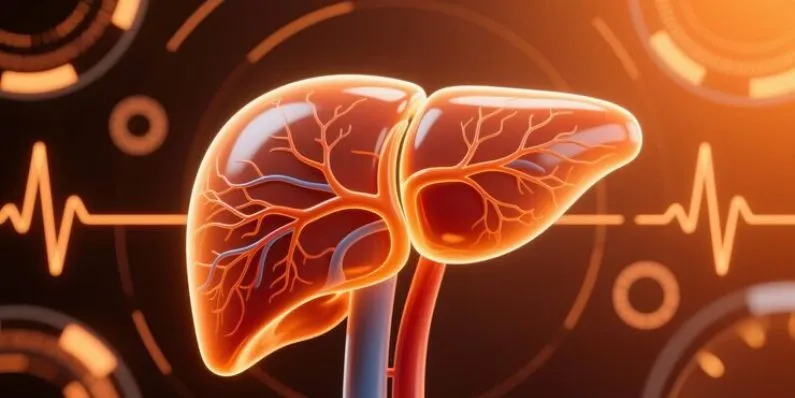
Fatty liver disease progresses through three distinct grades: mild (Grade 1), moderate (Grade 2), and severe (Grade 3).
The good news is that early detection and targeted treatment can halt this progression and even fully reverse the damage, preventing serious long-term complications.
As a specialist team led by Dr Bipin Vibhute at a premier Liver Transplant hospital in Pune, we guide patients through every stage of this condition. We know that receiving a fatty liver diagnosis can feel overwhelming. However, your liver is a remarkably resilient organ.
By understanding exactly what is happening inside your body at each stage, you can take immediate, empowering steps to restore your health.
Key Takeaways
- Grade 1 is highly reversible: Mild fat accumulation can often be cleared with simple lifestyle and dietary changes.
- Grade 2 requires attention: Moderate fat buildup signals early inflammation, making medical guidance crucial.
- Grade 3 is severe: Advanced fatty liver carries a high risk of scarring (cirrhosis) and requires urgent medical intervention.
- Proactive care saves lives: Managing weight, diabetes, and cholesterol stops the disease from advancing to liver failure.
What is Fatty Liver Disease, and Why Does It Progress in Stages?
Metabolic dysfunction-associated steatotic liver disease (MASLD) occurs when excess fat builds up inside your liver cells.
While a healthy liver naturally contains a tiny amount of fat, problems arise when fat makes up more than 5% of the organ’s weight.
If this fat accumulation is ignored, it triggers chronic inflammation. This advanced stage is known as MASH (metabolic dysfunction-associated steatohepatitis).
Prolonged inflammation damages liver cells and gradually replaces healthy tissue with rigid scar tissue, a process called fibrosis.
Because the liver is incredibly efficient, it continues to function even while under severe stress. This means the disease progresses silently through its grades, often masking the damage until it becomes severe.
What Are the Symptoms of Fatty Liver at Each Stage?
Grade 1 (Mild Fatty Liver)
At this initial stage, fat is just beginning to accumulate. Most patients experience absolutely no symptoms.
- Signs to watch for: You might feel occasional, mild fatigue or a vague sense of heaviness on the right side of your stomach.
- Impact: There is no significant liver damage yet, making this stage completely reversible.
Grade 2 (Moderate Fatty Liver)
Here, the volume of fat increases, and early inflammation begins to set in.
- Signs to watch for: You may notice persistent tiredness, frequent bloating, and more noticeable abdominal discomfort.
- Impact: Your liver function may start to decline slightly. Without intervention, the risk of developing permanent scar tissue sharply increases.
Grade 3 (Severe Fatty Liver)
This is the most dangerous stage. The liver is heavily congested with fat, and severe inflammation is actively destroying healthy cells.
- Signs to watch for: Symptoms become prominent, including persistent abdominal pain, nausea, loss of appetite, and significant swelling in the abdomen (ascites).
You might also notice redness on your palms or experience cognitive issues like brain fog. - Impact: You are at an extremely high risk for advanced cirrhosis and liver failure.
At Grade 3, you are at an extremely high risk for advanced cirrhosis. To understand the specific “red flags” that indicate your liver is struggling, see our guide on When Should You See a Doctor for Fatty Liver?
What Causes Fatty Liver Disease to Progress Through Grades?
Fatty liver progression is heavily influenced by your overall metabolic health. Obesity, type 2 diabetes, high cholesterol, and high blood pressure create an environment where your liver stores fat rather than burning it.
A highly sedentary lifestyle and a diet rich in processed foods and refined sugars rapidly accelerate this fat storage.
Even if you do not consume alcohol, these metabolic factors put enormous strain on your liver cells.
Other contributing factors include genetics, rapid and extreme weight loss, or the long-term use of certain prescription medications.
How is Fatty Liver Diagnosed at Each Stage?
Because early stages lack obvious symptoms, we often uncover the condition through routine health screenings.
Blood tests measuring ALT and AST enzymes usually provide the first clue that your liver is inflamed.
If we suspect fat buildup, we rely on painless imaging techniques. An ultrasound or an MRI allows us to visually confirm and grade the fat accumulation in your liver cells.
To determine if the disease has progressed to Grade 2 or 3, we use transient elastography (FibroScan).
This specialised ultrasound measures the exact stiffness of your liver, allowing us to detect early fibrosis without invasive procedures.
Can it be reversed? Yes! The liver possesses a miraculous ability to regenerate. If caught in Grade 1 or 2, adopting a Mediterranean-style diet, eliminating alcohol, and staying active can completely clear the fat. For a deeper dive into the recovery process, read Can Fatty Liver Be Reversed? Doctor-Recommended Treatment.
Are you concerned about your liver function or experiencing persistent fatigue?
Do not wait for symptoms to worsen. Whether you need a routine evaluation, advanced hepatology treatment, or wish to discuss a Liver Transplant in Pune, our specialists are ready to help. Book your comprehensive consultation today.
How is Fatty Liver Treated at Each Stage?
Treating Grade 1
The primary treatment for mild fatty liver involves dedicated lifestyle adjustments. We focus on sustainable weight loss, regular cardiovascular exercise, and a balanced diet. These steps naturally clear the fat and prevent progression.
Treating Grade 2
When inflammation begins, we combine lifestyle changes with strict medical management.
We work closely with you to control underlying conditions like diabetes and hypertension. This reduces inflammatory stress and stops fibrosis in its tracks.
Treating Grade 3
Severe fatty liver requires advanced medical intervention. We may utilise specific medications to manage fibrosis and heavily monitor your liver function.
If the damage progresses to end-stage liver failure, we discuss transplant eligibility criteria and begin exploring life-saving surgical options.
Can Fatty Liver Be Reversed?
Yes, the liver possesses a miraculous ability to regenerate itself. If caught in Grade 1 or Grade 2, you can completely reverse the condition.
Adopting a Mediterranean-style diet—rich in whole grains, fresh vegetables, and healthy fats—is incredibly effective.
Eliminating alcohol entirely and staying physically active gives your liver the break it desperately needs to heal and shed the excess fat.
Even in the early phases of Grade 3, strict medical and lifestyle interventions can halt the damage, preventing the need for complex liver cirrhosis management.
When Should You See a Specialist for Fatty Liver?
You should consult a specialist immediately if you experience red flags like jaundice (yellowing of the eyes), severe abdominal swelling, or mental confusion.
These indicate that your liver is struggling to perform its essential life-sustaining tasks.
If you have metabolic risk factors, scheduling routine screenings is the safest approach.
For patients travelling from nearby regions in Maharashtra or Karnataka—such as Solapur, Belgaum, Karad, Kolhapur, or Sangli—establishing a relationship with a trusted specialist provides immense peace of mind.
Seeking expert fatty liver treatment in Pune ensures you receive accurate grading, personalised care, and access to advanced therapies before the condition becomes critical.
In extreme cases, our clinic provides comprehensive guidance on donor liver transplant surgery, living donor liver transplant options, transplant surgery risks, and dedicated post-transplant care.
Conclusion
Understanding the grades of fatty liver disease takes the mystery and fear out of your diagnosis.
While Grade 3 poses severe risks, remembering that Grade 1 and Grade 2 are highly manageable should give you hope.
By prioritising a healthy weight, eating well, and working closely with your medical team, you can protect your liver and reclaim your vitality.
We are here to support your healing journey with expertise, empathy, and world-class medical care.
Frequently Asked Questions (FAQs)
What are the symptoms of Grade 1 fatty liver?
Grade 1 fatty liver is usually entirely silent. If symptoms do occur, they are very mild and typically limited to slight fatigue or a vague, dull ache in the upper right side of your abdomen.
Can fatty liver progress to liver failure?
Yes. If the condition advances to Grade 3 and causes severe scarring (cirrhosis), the liver loses its ability to function. Over time, this irreversible damage can lead directly to end-stage liver failure.
Is fatty liver reversible in its early stages?
Absolutely. Because the liver can regenerate, Grades 1 and 2 are highly reversible. Consistent weight loss, dietary improvements, and regular exercise allow the liver to clear the fat and heal itself.
What foods should I avoid if I have fatty liver?
You should strictly avoid sugary drinks, baked goods, heavy refined carbohydrates, and heavily processed, fried foods. Eliminating alcohol is also essential to prevent further stress on your liver cells.
How is fatty liver disease linked to diabetes?
Type 2 diabetes often causes insulin resistance. When your body cannot use insulin properly, excess sugar builds up in your blood. Your liver converts this excess sugar into fat, storing it directly within its own cells.
Medical Disclaimer:
The information provided in this article is for educational and informational purposes only. It is not intended as a substitute for professional medical advice, diagnosis, or treatment. Always consult a qualified healthcare provider or hepatologist regarding any medical condition or treatment plan.
Written By

Similar Posts
Sahyadri Hospital Conducts 100th Liver Transplant Op
Source::Times Of IndiaAbout 50% of the pediatric patients who require a liver transplant have biliary atresia. Other disease states that progress to end-stage liver disease among...
Sahyadri Hospiatal Conducts 100th Liver Transplant Op
Source::Times Of IndiaAbout 50% of the pediatric patients who require a liver transplant have biliary atresia. Other disease states that progress to end-stage liver disease among...
Sahyadri Hospital Conducts 100th Liver Transplant Op
Source::Times Of IndiaAbout 50% of the pediatric patients who require a liver transplant have biliary atresia. Other disease states that progress to end-stage liver disease among...