


Can Weight Loss Reverse NASH? How Much You Actually Need to Lose
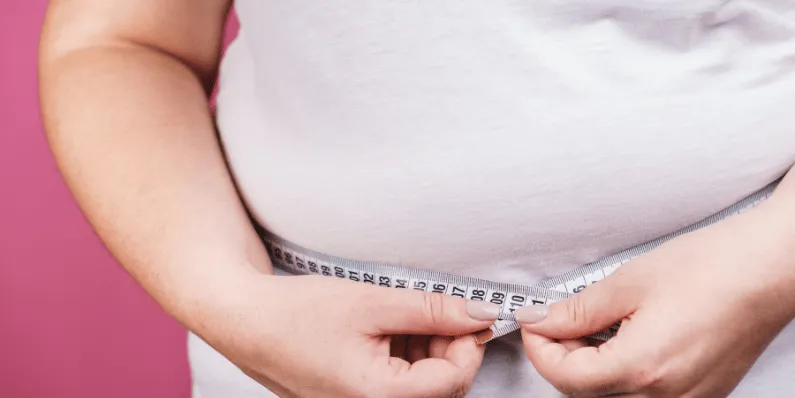
You have been told you have NASH nonalcoholic steatohepatitis and that losing weight will help. But nobody has told you how much. Or how fast. Or whether weight loss alone is genuinely enough without medication.
The answer is more specific, and more encouraging, than most patients are given. Weight loss is the most powerful single intervention for NASH but the amount required, the rate at which it is done, and the stage of your disease all determine what is achievable.
For personalised assessment and NASH treatment in Pune, Dr. Bipin Vibhute Liver and Multiorgan Transplant Surgeon provides specialist guidance at thelivertransplant.com.
Key Takeaways:
- The exact weight loss thresholds that produce NASH resolution in clinical studies
- Why rapid crash dieting can actually worsen NASH not improve it
- How exercise helps the liver even when the scale doesn’t move
- Whether weight loss can reverse liver scarring the honest answer by fibrosis stage
- Why the hardest part of NASH management is not losing weight but keeping it off
What Does “Reversing NASH” Actually Mean?
Before discussing weight loss targets, it is worth being precise about what reversal means because the term is used loosely in both medical and patient communities.
NASH reversal has two distinct components that do not always move together.
NASH Activity vs Liver Fibrosis
NASH activity refers to the active inflammatory process the fat in liver cells, the liver cell ballooning (swelling and injury), and the lobular inflammation visible on biopsy. This is the “hepatitis” part of steatohepatitis.
Fibrosis is the scarring that has already accumulated as a result of past inflammation. It is the structural consequence, not the active process.
The good news: NASH activity responds robustly to weight loss at all stages. The more nuanced news: fibrosis reversibility depends on how advanced it is.
Stage-by-Stage Reversibility
F0–F1 fibrosis (none to mild scarring): excellent reversibility with weight loss and lifestyle change. F2–F3 fibrosis (moderate to advanced scarring): significant regression is achievable with sustained weight loss, though complete reversal is less reliable. F4 fibrosis (cirrhosis): established cirrhosis cannot be pharmacologically or lifestyle-reversed. The clinical goal shifts to preventing decompensation.
For a detailed explanation of how liver fibrosis develops, what each stage means structurally, and why F2–F3 represents the critical intervention window, Fibrosis of the Liver provides essential background.
Knowing your fibrosis stage before setting treatment goals is essential it determines what is realistically achievable and how urgently intervention is needed.
How Much Weight Loss Is Actually Needed?
This is the question most patients ask and most content answers vaguely. The clinical data is specific.
The 5% Threshold Meaningful but Partial
A 5% reduction in body weight for a 90kg patient, that is 4.5kg produces measurable reduction in hepatic fat content (liver fat) in most patients with NASH.
This is confirmed by MRI-based liver fat studies showing that even modest weight reduction shifts hepatic steatosis significantly. But 5% weight loss, while helpful, is typically insufficient to achieve NASH resolution the histological disappearance of active liver inflammation.
The 7–10% Threshold Where NASH Activity Reverses
The most consistently cited threshold in NASH clinical literature is 7–10% of body weight.
The landmark NASH CRN study and subsequent analyses confirm that weight loss of 7% or more achieves NASH resolution (no active hepatitis on biopsy) in approximately 40–50% of patients. At 10% weight loss, this figure rises to around 45–55%.
For a 90kg patient, 7% = 6.3kg. For a 100kg patient, 10% = 10kg. These are achievable targets not dramatic weight transformation yet they produce clinically significant liver improvements.
The 10%+ Threshold Fibrosis Can Reverse
For fibrosis regression actual reduction in liver scarring weight loss of 10% or more is typically required, and this benefit becomes more reliable with sustained weight loss maintained over 12–24 months.
A meta-analysis published in Hepatology found that patients who sustained 10% weight loss for more than 12 months showed significant fibrosis regression on follow-up biopsy in F2 and F3 patients. This is one of the most encouraging findings in NASH research scarring that was thought permanent can be reversed.
Understanding how obesity drives this scarring process in the first place adds useful context: How Does Obesity Lead to Fatty Liver Disease? explains the metabolic link between visceral fat, insulin resistance, and progressive liver damage.
Does the Rate of Weight Loss Matter?
Yes and this is the safety warning most weight loss advice for NASH omits.
Why Rapid Weight Loss Worsens NASH
Crash dieting or very low calorie diets (below 800 kcal/day) can paradoxically trigger or worsen steatohepatitis. This seems counterintuitive losing fat should help the liver. But the mechanism is in mobilisation dynamics.
When body fat breaks down very rapidly, the liver is flooded with free fatty acids that it cannot process quickly enough. This overload triggers hepatic inflammation and can precipitate NASH flares in patients with existing disease.
Rapid weight loss also promotes gallstone formation a clinically relevant complication in NASH patients who are already at elevated gallstone risk due to metabolic factors.
The Recommended Rate
Safe weight loss for NASH patients is 0.5–1 kg per week not more. This rate allows hepatic fat mobilisation at a pace the liver can handle, reduces gallstone risk, and is more likely to produce sustained results than crash diets followed by rebound.
Slow, consistent weight loss over 12–24 months produces better liver outcomes than dramatic rapid loss followed by weight regain. The liver responds to sustained metabolic improvement, not short-term caloric deprivation.
What Type of Diet Actually Works for NASH?
Why Composition Matters More Than Calories
Reducing total calories is helpful but what those calories consist of matters more than the total number.
Fructose particularly high-fructose corn syrup in processed foods and sweetened beverages directly drives hepatic de novo lipogenesis (liver fat production). The liver converts fructose to fat with minimal metabolic regulation, unlike glucose.
Reducing sugar-sweetened beverages, processed snacks, and refined carbohydrates targets the primary biochemical driver of NASH more directly than generic calorie restriction.
The Mediterranean Diet Best Evidence in NAFLD
The Mediterranean dietary pattern has the most robust evidence base for reducing hepatic fat and improving metabolic markers in NAFLD and NASH.
This means: abundant vegetables, legumes, whole grains, fish, olive oil, nuts, and modest amounts of lean poultry with minimal red meat, processed food, and sugar.
A randomised trial published in the Journal of Hepatology showed that Mediterranean diet adherence reduced hepatic fat content significantly over 6 months, independent of total calorie intake.
For a clear guide to specific foods that support this approach and those that actively harm liver recovery What Should I Eat If I Have NASH? provides practical, evidence-based meal guidance for NASH patients.
This is not a temporary diet it is a permanent dietary pattern shift that needs to be sustained to maintain liver benefit.
Does Exercise Help NASH Even Without Weight Loss?
Yes and this is a clinically important finding for patients who are exercising but not seeing scale changes.
The Independent Hepatic Effect of Exercise
Aerobic exercise reduces hepatic fat independently of weight loss through multiple mechanisms: increased fatty acid oxidation in muscle that diverts fat away from the liver, reduced hepatic insulin resistance, and direct anti-inflammatory effects.
Multiple studies, including a meta-analysis in JAMA Internal Medicine, confirm that aerobic exercise programmes of 150–250 minutes per week reduce liver fat by 20–30% on MRI even when total body weight does not change significantly.
This means exercise is doing liver work even when the scale is frustrating you. The absence of scale change does not mean the absence of liver benefit.
Resistance Training
Resistance (strength) training also reduces hepatic steatosis, through its effect on insulin sensitivity and muscle glucose uptake. A combination of aerobic and resistance training produces greater liver benefit than either alone.
150 minutes of moderate aerobic activity plus 2 sessions of resistance training per week is a practical target that has evidence support for NASH and is achievable by most patients without gym membership.
For patients who spend long hours sitting — a significant independent risk factor for liver fat accumulation — Get Moving and Sit Less for a Healthy Liver offers practical guidance on incorporating movement into daily routines beyond structured exercise sessions.
Why Weight Regain Is the Real Challenge
This is the dimension most NASH lifestyle advice ignores and it is the most clinically important one.
NASH Returns With Weight Regain
Studies tracking NASH patients after initial weight loss show that liver improvements reverse substantially when weight is regained. The histological improvements achieved with 10% weight loss do not persist if weight is regained to baseline over the subsequent 12–24 months.
NASH management is a permanent lifestyle commitment, not a short-term diet intervention. The liver’s condition reflects the metabolic state it is living in. Change the state sustainably and the liver improves. Revert the state and the liver reverts.
Strategies That Support Maintenance
Structured follow-up regular hepatology appointments with liver enzyme monitoring maintains clinical accountability and identifies early metabolic deterioration.
Behavioural support whether through a dietitian, cognitive behavioural therapy, or structured group programme significantly improves long-term weight maintenance compared to information provision alone.
GLP-1 receptor agonists semaglutide, liraglutide prescribed for obesity management produce sustained weight loss maintenance that lifestyle alone frequently cannot, and carry additional direct hepatic benefit.
For patients in Pune seeking structured, ongoing NASH management, specialist liver disease services at The Liver Transplant provide the clinical follow-up and personalised planning that long-term weight maintenance requires. .
If you have been told you have NASH or fatty liver disease and want a structured, evidence-based plan for liver recovery through weight management, Dr. Bipin Vibhute at thelivertransplant.com provides specialist hepatology assessment and personalised treatment planning in Pune. Visit thelivertransplant.com to book your consultation.
Final Thoughts
Weight loss is not just “one option” for NASH it is the most powerful intervention available, producing liver improvements that rival the best drugs in clinical trials.
The targets are specific: 7% for NASH activity reversal, 10%+ for fibrosis regression, achieved at a safe rate of 0.5–1 kg per week, sustained over 12–24 months, through reduced fructose and refined carbohydrates with a Mediterranean dietary pattern.
Exercise produces independent liver benefit even without scale movement. Maintenance of weight loss is more important than initial weight loss. And fibrosis stage determines what is realistically achievable.
The most important step is knowing where you are starting from which means getting an accurate fibrosis assessment before setting goals.
Frequently Asked Questions
Can NASH come back after weight loss?
Yes NASH reliably returns when weight is regained. The liver improvements achieved through weight loss reflect the improved metabolic environment; when weight returns and metabolic dysfunction recurs, the liver reverts. This is why sustained weight maintenance not just initial weight loss is the clinical goal. Structured follow-up and long-term behavioural support significantly improve maintenance outcomes.
What diet is best for reversing NASH?
The Mediterranean diet has the most robust evidence for reducing hepatic fat and improving liver inflammation in NASH. It emphasises vegetables, legumes, whole grains, fish, olive oil, and nuts, while minimising red meat, processed food, sugar-sweetened beverages, and refined carbohydrates. The specific reduction of fructose found in processed foods and sweet drinks is particularly important as fructose directly drives liver fat production.
Does fasting help NASH liver disease?
Intermittent fasting particularly time-restricted eating (eating within an 8–10 hour window) shows early evidence for reducing hepatic fat in NAFLD, likely through reducing total caloric intake and improving insulin sensitivity. However, very low calorie crash diets or prolonged fasting can paradoxically worsen NASH by flooding the liver with mobilised fatty acids. Moderate caloric restriction with consistent dietary quality is safer and more sustainable than extreme fasting protocols.
Can I reverse NASH without medication just by losing weight?
Yes weight loss of 7–10% of body weight produces NASH resolution (histological disappearance of active liver inflammation) in 40–55% of patients in clinical studies, without any pharmacological intervention. At earlier fibrosis stages (F0–F2), lifestyle modification alone is often sufficient to halt and reverse disease progression. Medication becomes more relevant when lifestyle changes are insufficient, weight loss cannot be maintained, or fibrosis is at F2–F3 stage.
Does exercise alone help NASH without weight loss?
Yes aerobic exercise reduces hepatic fat content by 20–30% on MRI studies even without significant weight change, through increased muscle fat oxidation and reduced hepatic insulin resistance. This means patients who are exercising but not losing weight are still producing meaningful liver benefit. The combination of aerobic exercise and resistance training produces greater hepatic benefit than either alone, and is recommended as part of all NASH lifestyle management programmes.
Written By

Similar Posts

Sahyadri Hospital Conducts 100th Liver Transplant Op
Source::Times Of IndiaAbout 50% of the pediatric patients who require a liver transplant have biliary atresia. Other disease states that progress to end-stage liver disease among...
Sahyadri Hospiatal Conducts 100th Liver Transplant Op
Source::Times Of IndiaAbout 50% of the pediatric patients who require a liver transplant have biliary atresia. Other disease states that progress to end-stage liver disease among...
Sahyadri Hospital Conducts 100th Liver Transplant Op
Source::Times Of IndiaAbout 50% of the pediatric patients who require a liver transplant have biliary atresia. Other disease states that progress to end-stage liver disease among...