


NASH Without Alcohol: What Really Causes Liver Inflammation in Non-Drinkers
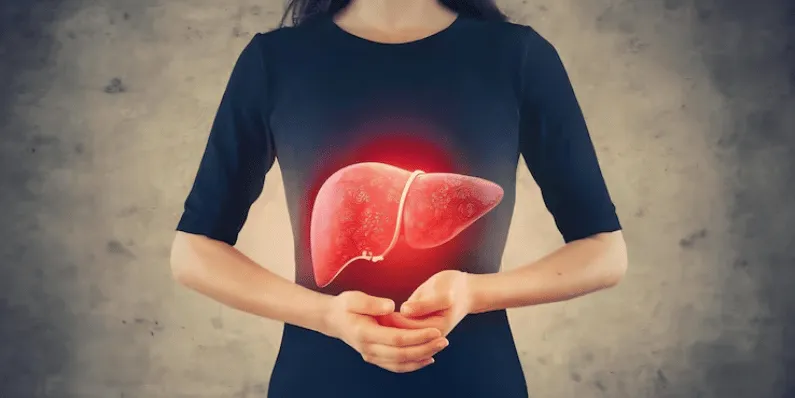
How is that possible? And more importantly, what is actually causing the damage?
The answer involves your metabolic system, your diet, your gut bacteria, and — for many Indian patients — the way your body stores fat at a genetic level.
For patients seeking NASH liver inflammation treatment Pune, Dr. Bipin Vibhute — Liver and Multiorgan Transplant Surgeon — provides comprehensive metabolic hepatology assessment at thelivertransplant.com.
Key Takeaways :
- What drives liver inflammation in people who have never consumed alcohol
- Why sugar damages the liver through the same metabolic pathways as alcohol
- How gut bacteria contribute to NASH inflammation — the gut-liver axis
- Why thin people, especially South Asians, can develop severe NASH
- What the transition from fat accumulation to active inflammation involves at the cellular level
Why Does the Liver Become Inflamed Without Any Alcohol?
Alcohol is not the only substance that inflames the liver. The liver is the body’s primary metabolic processing organ — it handles everything absorbed from the gut before it reaches the bloodstream.
When the liver is overwhelmed with fat, sugar, or metabolic byproducts over years, it develops the same inflammatory responses as it does under alcohol — through overlapping biological pathways that produce cell damage, immune activation, and eventual scarring.
The Fundamental Misconception
Most people associate liver disease with drinking because alcohol-related liver disease is the most publicly discussed form. But the liver does not distinguish between different sources of metabolic overload — it responds to injury the same way regardless of cause.
NASH — nonalcoholic steatohepatitis — was named specifically to distinguish metabolic liver disease from alcohol-related liver disease in people who drink little or no alcohol.
The 2023 Renaming — Why MASH Is More Accurate
In 2023, major liver disease societies including EASL and AASLD renamed NASH to MASH — Metabolic dysfunction-Associated SteatoHepatitis.
This was not simply a terminological update. The old name defined the condition by what it is not (nonalcoholic). The new name defines it by what it is — a metabolic disease with specific, identifiable drivers.
For non-drinkers, this renaming matters. It removes the implicit association with alcohol and places the condition correctly in the context of insulin resistance, obesity, type 2 diabetes, and metabolic syndrome — which are its actual causes.
You may see either NASH or MASH in your clinical notes. They refer to the same condition. The new name simply reflects a more accurate understanding of what is causing the liver damage.
What Is the Primary Driver of NASH If Not Alcohol?
Insulin resistance is the central metabolic defect that drives NASH in the vast majority of patients who have never consumed alcohol.
What Insulin Resistance Does to the Liver
- Insulin resistance means that cells throughout the body — muscle, fat, and liver — have reduced sensitivity to insulin’s signals.
- Under normal conditions, insulin controls fat metabolism in three ways: it suppresses fat release from fat cells, it promotes fat storage rather than production in the liver, and it facilitates glucose uptake into muscle.
- When insulin resistance develops, all three controls break down simultaneously.
- Fat cells release fatty acids into the bloodstream continuously, regardless of insulin signalling. The liver receives this flood of fatty acids while simultaneously being unable to suppress its own fat production. The result is a liver that is both receiving excess fat from outside and manufacturing excess fat from within.
Why the Liver Becomes Both Victim and Driver
- This is the clinical insight most competitor content misses. The liver is not simply a passive recipient of metabolic overflow.
- Hepatic insulin resistance — which develops partly as a consequence of fat accumulation — makes the liver continue producing glucose even when insulin signals it to stop. This hepatic glucose overproduction raises blood sugar, worsens systemic insulin resistance, and further stimulates fat production.
- The liver becomes trapped in a self-reinforcing cycle — insulin resistance causes fat accumulation, fat accumulation worsens insulin resistance, and worsened insulin resistance causes more fat accumulation.
- Understanding this cycle explains why treating insulin resistance — through weight loss, diet, exercise, and medication — simultaneously improves the liver.
How Does Sugar Damage the Liver Like Alcohol Does?
This is the parallel that most patients find surprising — and which is the most powerful explanation of why NASH develops in non-drinkers.
Fructose and Hepatic De Novo Lipogenesis
- Fructose — the sugar found in soft drinks, fruit juices, processed foods, and added sugar — is metabolised almost exclusively in the liver.
- Unlike glucose, which can be used by any cell in the body, fructose is delivered directly to the liver via the portal vein and processed there entirely. The liver converts fructose to fat through a process called hepatic de novo lipogenesis — literally “new fat creation from scratch.”
- This process is not regulated by insulin. Whether the body needs fat or not, fructose floods into the liver and is converted to triglycerides and fatty acids without the usual regulatory brakes.
Why Fructose and Alcohol Use Overlapping Pathways
- Both fructose and alcohol are metabolised in the liver through pathways that:
- Generate reactive oxygen species (ROS) — molecular fragments that damage liver cell membranes and DNA. Promote fat accumulation through overlapping lipogenic (fat-creating) enzyme systems. Deplete ATP (the liver cell’s energy currency), impairing normal cell function. Activate the same inflammatory signalling cascades.
- A person who drinks 1.5 litres of cola per day is subjecting their liver to a similar metabolic burden to moderate alcohol use — through entirely non-alcoholic means.
- This is why NASH patients who never drink are often found to have a diet pattern dominated by sugar-sweetened beverages, processed snacks, and refined carbohydrates — the liver does not care whether the fructose arrives in a cocktail or a soft drink.
The Specific Pathway That Bypasses Normal Regulation
- Under fructose metabolism, the enzyme fructokinase converts fructose to fructose-1-phosphate at a rate that temporarily depletes the liver cell’s phosphate reserves.
- This depletion triggers uric acid production — one reason elevated uric acid levels are frequently found alongside NASH — and generates the oxidative stress that initiates the inflammatory cascade.
- Reducing sugar-sweetened beverages and added fructose is therefore one of the most direct dietary interventions for NASH, targeting the primary metabolic driver of fat overproduction rather than simply reducing total calories.
What Role Does the Gut Play in NASH Inflammation?
The gut-liver axis is one of the most important and least-discussed mechanisms of NASH inflammation — and it explains why some patients develop active liver inflammation without obvious metabolic risk factors.
The Gut-Liver Axis — Explained Simply
- The liver receives 70% of its blood supply directly from the gut through the portal vein. This means everything that crosses the gut lining — including bacterial products, metabolic byproducts, and inflammatory molecules — arrives at the liver first.
- Under normal conditions, the gut lining forms a tight, selective barrier. Beneficial bacteria maintain this barrier, produce short-chain fatty acids that support gut and liver health, and compete with potentially harmful bacteria for space and nutrients.
How Dysbiosis Triggers Liver Inflammation
- Dysbiosis — an abnormal composition of gut bacteria — is consistently found in NASH patients compared to healthy controls.
- In a dysbiotic gut, two things happen that drive liver inflammation:
- The gut lining becomes more permeable — gaps open between epithelial cells, allowing bacterial products to cross that would normally be blocked. Lipopolysaccharides (LPS) — fragments of the outer wall of gram-negative bacteria — cross the gut lining and enter the portal circulation.
- When LPS reaches the liver, it activates Kupffer cells — the liver’s resident immune cells — through Toll-like receptor 4 (TLR4) signalling. Activated Kupffer cells release TNF-α, IL-6, and other pro-inflammatory cytokines that damage hepatocytes and activate hepatic stellate cells — the cells responsible for producing scar tissue.
- This bacterial endotoxin pathway from gut to liver is a primary driver of the inflammation that distinguishes NASH from simple fatty liver — and it occurs entirely independently of alcohol consumption.
Why Gut Health Matters for NASH Management
- Dietary patterns that support gut microbiome health — particularly Mediterranean diet with prebiotic fibre from vegetables, legumes, and whole grains — improve gut barrier function and reduce LPS translocation. This is one of the mechanisms through which the Mediterranean diet produces liver benefit beyond simple calorie restriction.
Can Thin People Develop NASH — and Why Does This Matter for Indian Patients?
Yes — and this is one of the most clinically important and most frequently missed aspects of NASH, particularly in the Indian context.
The Metabolically Obese Normal Weight Phenotype
- Metabolically obese normal weight (MONW) describes individuals who have a normal BMI but carry excess visceral fat — fat stored around internal organs rather than under the skin.
- Visceral fat is metabolically active in a way that subcutaneous fat is not. It releases fatty acids and inflammatory cytokines directly into the portal circulation — going straight to the liver. It is the most hepatotoxic fat depot in the body.
- A person with a BMI of 22 who carries high visceral fat around their abdomen may have greater hepatic fat burden and insulin resistance than a person with BMI 28 who carries their excess weight subcutaneously.
Why South Asian and Indian Patients Are Disproportionately Affected
- This is the clinical reality that matters most for patients seeking nonalcoholic fatty liver disease causes Pune and across India.
- South Asian populations — including Indians — have a genetic predisposition toward visceral fat accumulation and insulin resistance at lower BMI thresholds than Western populations. This is well documented in epidemiological literature, including studies from AIIMS and major Indian hepatology centres.
- An Indian patient with BMI 23–25 — technically within the “normal” range — may already have significant hepatic steatosis, elevated insulin resistance, and early fibrosis. The BMI threshold that triggers NASH concern in a Western patient simply does not apply to Indian patients.
- This is why waist circumference and waist-to-hip ratio are more clinically relevant than BMI for Indian NASH assessment. A waist circumference above 90cm in Indian men or above 80cm in Indian women is associated with metabolic risk independent of total body weight.
What Actually Triggers the Inflammation — From Fat to Fire?
Fat accumulation in liver cells (steatosis) is not the same as inflammation. The transition from simple fatty liver to NASH involves a specific sequence of cellular events.
Lipotoxicity — When Fat Becomes Cell Poison
- Not all hepatic fat is equally harmful. The primary driver of liver cell damage is not neutral triglycerides — which are relatively inert — but the specific lipid species generated when fat overload overwhelms the liver’s processing capacity.
- Diacylglycerols, ceramides, and free fatty acid metabolites — produced when the liver is overwhelmed — are directly toxic to hepatocyte mitochondria and cell membranes. This is lipotoxicity — fat-mediated cell toxicity.
- Lipotoxicity impairs mitochondrial function, reducing the liver cell’s ability to generate energy, process further fat, and repair itself. The metabolically stressed hepatocyte becomes a source of oxidative stress rather than a functioning metabolic unit.
Oxidative Stress Inside Liver Cells
- Reactive oxygen species generated by mitochondrial stress, fructose metabolism, and fatty acid oxidation overwhelm the liver cell’s antioxidant defences.
- This oxidative stress damages cell membranes, activates inflammatory transcription factors, and initiates the process of hepatocyte ballooning — the swollen, injured liver cells that are the pathological hallmark of NASH on biopsy.
How the Immune System Joins the Process
- Damaged hepatocytes release danger signals — called DAMPs (damage-associated molecular patterns) — that activate the liver’s resident immune cells (Kupffer cells).
- Once Kupffer cells are activated, they release pro-inflammatory cytokines that recruit additional immune cells, amplify the inflammatory response, and activate hepatic stellate cells — the scar-forming cells of the liver.
- Activated stellate cells produce collagen. Collagen accumulation is liver fibrosis. Progressive fibrosis is liver cirrhosis.
- The entire sequence — from metabolic fat overload to immune activation to fibrosis — occurs without any alcohol involvement. The liver’s inflammatory machinery responds to metabolic stress just as effectively as it responds to alcohol toxicity.
What Symptoms Does NASH Cause — and Why Most People Feel Nothing?
NASH is known as a “silent” disease — and this silence is one of its most clinically dangerous characteristics.
The Silent Progression
- The liver has no pain fibres inside its parenchyma (tissue). This means that even as inflammation and fibrosis progress, patients feel nothing directly attributable to the liver.
- Most NASH patients are diagnosed incidentally — during a routine blood test that reveals elevated liver enzymes, or during an ultrasound performed for another reason.
- The absence of symptoms does not mean the absence of damage. Patients with F2–F3 fibrosis — significant, clinically meaningful scarring — are frequently asymptomatic.
Symptoms That Do Appear
- When NASH symptoms occur, they include:
- Right upper quadrant fullness or dull aching — caused by capsular stretching as the liver enlarges, not by pain fibres within the liver itself. Fatigue — one of the most consistently reported NASH symptoms, driven by metabolic dysfunction and, in some patients, subclinical hepatic energy impairment.
- These symptoms are non-specific — they overlap with many conditions and cannot be used to diagnose or stage NASH.
When Symptoms Signal Advanced Disease
- Symptoms that suggest advanced fibrosis or early cirrhosis include: ankle swelling (ascites beginning), bruising more easily than usual (reduced clotting factor production), yellowing of the skin or eyes (bilirubin accumulation), and confusion or poor concentration (early hepatic encephalopathy).
- If any of these are present, specialist hepatology assessment is urgent.
How Is NASH Diagnosed in Someone Who Has Never Drunk Alcohol?
The diagnosis of NASH in a non-drinker requires ruling out alcohol as a cause before other investigations are interpreted. A clinical alcohol history — taken carefully and non-judgmentally — is the first step.
The Diagnostic Tests That Confirm NASH
- Blood tests including ALT, AST, and GGT provide initial liver stress signals but cannot stage disease or confirm NASH activity.
- FIB-4 score — calculated from age, AST, platelet count, and ALT — is the validated non-invasive fibrosis screening tool recommended by EASL and AASLD for all suspected NAFLD/NASH patients.
- FibroScan (transient elastography) measures liver stiffness to stage fibrosis non-invasively — the most practical next step when FIB-4 is intermediate or elevated.
- Liver biopsy — the gold standard — is the only test that simultaneously confirms NASH activity (inflammation and hepatocyte ballooning) and precisely stages fibrosis. It is recommended when non-invasive tests are inconclusive or when specific treatment eligibility needs histological confirmation.
If you have been diagnosed with fatty liver or NASH and you do not drink alcohol — and you want to understand what is actually driving your condition and what can be done about it — Dr. Bipin Vibhute at thelivertransplant.com provides specialist metabolic hepatology assessment in Pune with full non-invasive staging and personalised management. Visit thelivertransplant.com to book your consultation.
What Reduces Liver Inflammation in NASH?
Targeting the actual drivers of NASH — rather than simply treating symptoms — is the basis of effective management.
Dietary Changes That Directly Target Hepatic Fat Production
For patients in Pune seeking a structured, specialist-guided approach, NASH Treatment in Pune outlines the clinical options available and what a personalised management plan involves.
- Reducing fructose and refined carbohydrates targets hepatic de novo lipogenesis directly — cutting off the primary metabolic substrate for liver fat overproduction.
- This means: eliminating sugar-sweetened beverages (including fruit juices), reducing processed snacks and sweets, and replacing refined carbohydrates with whole grains, legumes, and vegetables.
- Mediterranean diet — with its emphasis on high-fibre vegetables, legumes, olive oil, and fish — simultaneously reduces hepatic fat, improves gut microbiome composition, reduces insulin resistance, and provides direct anti-inflammatory fatty acids.
Weight Loss and Its Anti-Inflammatory Liver Effect
- 7–10% weight loss produces NASH resolution in approximately 40–50% of patients — meaning the active liver inflammation disappears on follow-up biopsy.
- This anti-inflammatory effect is mediated through multiple mechanisms: reduced portal fatty acid flux, improved insulin sensitivity, reduced visceral fat and its inflammatory cytokine production, and improved gut barrier function.
Pharmacological Options for Active Inflammation
- Resmetirom — the first FDA-approved drug for NASH with F2–F3 fibrosis — addresses hepatic fat metabolism directly and has shown histological inflammation reduction in the MAESTRO-NASH trial.
- GLP-1 receptor agonists (semaglutide, liraglutide) reduce NASH activity significantly alongside weight reduction and metabolic improvement.
- Pioglitazone targets insulin resistance directly — the primary metabolic driver — and has established evidence for histological NASH improvement in diabetic patients.
Final Thoughts
NASH develops in non-drinkers because the liver does not require alcohol to become inflamed. Insulin resistance, fructose metabolism, gut bacterial products, and lipotoxic fat species all trigger the same inflammatory pathways that alcohol activates — through entirely non-alcoholic mechanisms.
For Indian patients particularly, NASH can develop at normal body weight due to the South Asian predisposition to visceral fat accumulation and insulin resistance at lower BMI thresholds.
The disease is silent until it is not. By the time symptoms appear, significant fibrosis may already be present.
The most important step for any patient who has been told they have fatty liver or elevated liver enzymes — even without drinking a drop of alcohol — is accurate fibrosis staging. Knowing your stage determines urgency, treatment options, and outcomes.
Want to understand what is causing your liver inflammation and what can be done about it? Book a specialist consultation with Dr. Bipin Vibhute. Expert assessment for why do non drinkers get liver disease with comprehensive metabolic hepatology evaluation, FibroScan staging, and personalised management planning. Visit thelivertransplant.com today.
Frequently Asked Questions
1.Can you get liver disease without drinking alcohol?
Yes — nonalcoholic fatty liver disease (NAFLD) and NASH (now also called MASH) develop entirely independently of alcohol consumption. They are driven by insulin resistance, metabolic syndrome, high dietary fructose and refined carbohydrates, gut microbiome dysbiosis, and genetic factors. In India, NAFLD and NASH are among the most common liver conditions, primarily affecting people with type 2 diabetes, overweight, and sedentary lifestyles who do not consume alcohol.
2.Is NASH the same as alcoholic liver disease?
No — NASH and alcoholic liver disease are distinct conditions with different causes but overlapping final pathways of liver damage. Alcoholic liver disease is caused by direct alcohol toxicity. NASH is caused by metabolic dysfunction — insulin resistance, excess dietary fructose, and gut-liver axis inflammation. However, both conditions can produce the same spectrum of liver damage: steatosis, inflammation, fibrosis, and cirrhosis. The distinction matters for diagnosis, treatment, and social context.
3.Can a thin person get NASH liver disease?
Yes — particularly in South Asian populations. A person with normal BMI can develop NASH if they carry significant visceral fat (fat around internal organs rather than under the skin), have insulin resistance, or carry genetic variants like PNPLA3 I148M that increase liver fat accumulation. In Indian patients, significant hepatic steatosis and NASH can develop at BMI 22–25, which would be considered normal by Western clinical standards. Waist circumference is a more relevant metabolic risk indicator than BMI for Indian patients.
4.Does eating too much sugar cause NASH?
Yes — particularly fructose, found in sugar-sweetened beverages, fruit juices, and processed foods. Fructose is metabolised almost exclusively in the liver through pathways that directly produce fat, generate oxidative stress, and activate inflammatory signalling. The metabolic pathway by which dietary fructose causes liver fat accumulation overlaps significantly with the pathways activated by alcohol — which is why heavy sugar consumption and heavy alcohol consumption produce similar patterns of liver damage.
5.Is NASH liver inflammation reversible?
Yes — at early and intermediate fibrosis stages (F0–F3), NASH activity (the active inflammation) and even liver scarring can be reversed with adequate treatment. Weight loss of 7–10% of body weight produces NASH resolution in approximately 40–50% of patients. The newly approved drug resmetirom achieves histological NASH resolution in approximately 30% of eligible patients. Reversal becomes progressively harder at F3 and is not achievable in established cirrhosis (F4) — which is why early diagnosis and treatment are critical.
Written By

Similar Posts

Sahyadri Hospital Conducts 100th Liver Transplant Op
Source::Times Of IndiaAbout 50% of the pediatric patients who require a liver transplant have biliary atresia. Other disease states that progress to end-stage liver disease among...
Sahyadri Hospiatal Conducts 100th Liver Transplant Op
Source::Times Of IndiaAbout 50% of the pediatric patients who require a liver transplant have biliary atresia. Other disease states that progress to end-stage liver disease among...
Sahyadri Hospital Conducts 100th Liver Transplant Op
Source::Times Of IndiaAbout 50% of the pediatric patients who require a liver transplant have biliary atresia. Other disease states that progress to end-stage liver disease among...