


Which Doctor Treats Fatty Liver? When to Consult a Liver Specialist
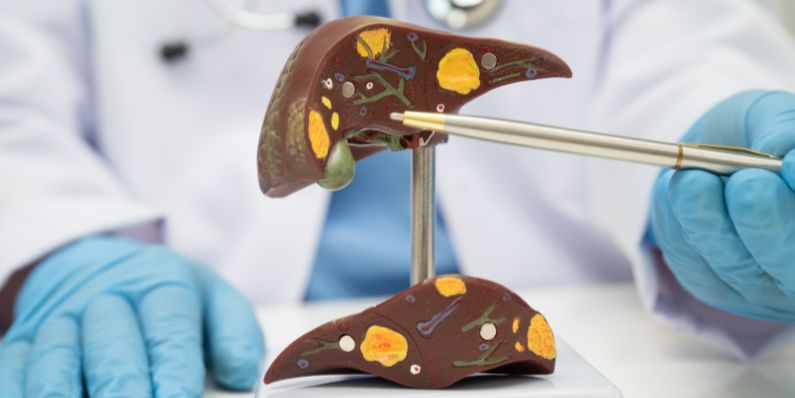
To answer the main question: a hepatologist is the specialist who treats fatty liver disease. They possess the specific training required to diagnose and manage complex liver, biliary, and pancreatic conditions.
My name is Dr Bipin Vibhute, and I have dedicated my medical career to helping patients overcome severe liver conditions.
At our leading Liver Transplant hospital in Pune, our multidisciplinary team provides comprehensive, compassionate care. We guide patients through every phase of their journey, from early diagnosis to advanced life-saving procedures.
Key Takeaways
- Fatty liver disease often shows no symptoms during its early stages.
- A hepatologist focuses strictly on liver-specific conditions, whereas a gastroenterologist treats the entire digestive system.
- Early diagnosis and lifestyle modifications can successfully prevent severe complications like cirrhosis or liver failure.
What Are the Symptoms of Fatty Liver Disease?
Fatty liver disease is notorious for being a silent condition. Most people feel completely fine while fat quietly accumulates within their liver cells.
When symptoms finally do surface, they are often vague and easy to dismiss. You might experience persistent fatigue, mild pain in the upper right abdomen, or a general sense of weakness.
As the disease progresses into more severe stages, the warning signs become much more visible. Advanced symptoms include jaundice (yellowing of the eyes and skin), swelling in the abdomen or legs, and dark-colored urine.
When Should You See a Liver Specialist?
You should consult a hepatologist if routine blood tests reveal abnormal liver enzymes. A primary care doctor will often notice elevated ALT or AST levels and refer you to a specialist for a closer look.
Delaying a consultation can allow hidden inflammation to silently damage your liver. Over time, untreated fatty liver disease can lead to irreversible scarring, known as cirrhosis, or even liver cancer.
Our diagnostic steps are straightforward and designed to give us a clear picture of your liver health. We typically use blood tests, imaging like ultrasound or FibroScan, and occasionally a liver biopsy to accurately assess the amount of fat and scarring present.
What Does a Hepatologist Do?
A hepatologist is an expert entirely focused on the health of your liver and biliary system. While a gastroenterologist evaluates your whole digestive tract, we zoom in specifically on liver function and disease.
We treat a wide range of conditions beyond fatty liver, including viral hepatitis, autoimmune liver disorders, and liver cancer.
Transplant hepatologists undergo even further training to manage end-stage liver disease and support patients through the transplant process.
We utilise advanced diagnostic tools to map out a personalised care plan. Our primary goal is always to preserve your natural liver function for as long as possible.
What Are the Stages of Fatty Liver Disease?
Understanding your condition begins with knowing its exact stage.
- Stage 1: Simple Steatosis – Fat builds up in the liver cells, but there is no inflammation or cellular damage yet.
- Stage 2: Steatohepatitis (MASH) – The fat accumulation triggers inflammation, causing the liver tissue to become irritated and damaged.
- Stage 3: Fibrosis – Persistent inflammation creates scar tissue, though the liver can still perform its normal functions.
- Stage 4: Cirrhosis – Severe, widespread scarring permanently alters the liver’s structure, leading to potential liver failure.
If you suspect you have liver damage or have received an abnormal test result, do not wait for symptoms to worsen. Early intervention is the key to a healthy future.
Take control of your liver health today. Book an expert evaluation for a Liver Transplant in Pune or comprehensive liver care with Dr Bipin Vibhute and our dedicated specialist team.
What Are the Treatment Options for Fatty Liver Disease?
The most effective treatment for early-stage fatty liver disease relies heavily on lifestyle changes. Weight loss, adopting a Mediterranean-style diet, and regular exercise can drastically reduce liver fat and reverse early damage.
For patients with steatohepatitis (MASH) and moderate scarring, we may consider emerging medications. Drugs like Resmetirom and Semaglutide are showing promise in reducing both fat and inflammation in the liver.
In advanced cases where cirrhosis has caused the liver to fail, lifestyle changes are no longer enough. At this stage, a liver transplant becomes the most viable life-saving option.
How Is a Liver Transplant Evaluated and Performed?
When liver failure occurs, we conduct a thorough transplant eligibility evaluation. We use scoring systems like the MELD score (Model for End-Stage Liver Disease) to assess disease severity and prioritise care.
The surgical procedure involves replacing the diseased liver with a healthy one. This can be done using a deceased donor liver or a portion of a liver from a healthy living donor.
Post-transplant care requires a lifelong commitment. Patients take immunosuppressant medications to prevent organ rejection and attend regular follow-up appointments to ensure the new liver functions perfectly.
What Can You Expect During Recovery?
Physical recovery from a liver transplant is a gradual but highly rewarding process. Over the first few months, patients usually notice a significant improvement in their energy levels and overall vitality.
We also place a strong emphasis on emotional wellbeing. Managing a chronic illness and undergoing major surgery can cause anxiety, making mental health support and counselling vital parts of your recovery.
Long-term care involves embracing a fresh start. This means adhering to a healthy diet, strictly avoiding alcohol, and staying active to protect your new liver.
How Can You Prevent Fatty Liver Disease?
Prevention is always better than a cure, especially when it comes to liver health. Focus your dietary habits on whole grains, lean proteins, and healthy fats while cutting out processed foods and excess sugars.
Aim for at least 150 minutes of moderate-intensity exercise every week. Physical activity directly helps reduce liver fat, even if you do not lose a significant amount of weight.
If you have risk factors like type 2 diabetes, high blood pressure, or obesity, routine liver screenings are essential. Catching the disease early gives you the power to reverse it.
Why Choose a Liver Specialist in the Region?
Finding the right medical team makes all the difference in your recovery journey. Patients regularly travel from cities like Solapur, Belgaum, Ahmedabad, Karad, and Kolhapur to access our highly specialised care.
We pride ourselves on offering world-class fatty liver disease treatment in Pune. Our clinic combines cutting-edge technology with a deeply compassionate approach to patient care.
Whether you are visiting us from West Mumbai, Nanded, Nashik, or Hyderabad, our multidisciplinary team is here to support you. We provide clear answers, advanced treatments, and a safe path forward.
Conclusion
Fatty liver disease is a serious but highly manageable condition when caught early and treated correctly. By consulting a hepatologist, you gain access to targeted expertise and a comprehensive roadmap for recovery.
Our team under Dr Bipin Vibhute is dedicated to delivering the highest standard of care. We are here to empower you with the right knowledge, advanced treatments, and unwavering emotional support to restore your liver health.
Frequently Asked Questions
What is the difference between a hepatologist and a gastroenterologist?
A hepatologist focuses solely on liver, bile duct, and pancreatic diseases. A gastroenterologist treats the entire digestive system, including the stomach and intestines.
Can fatty liver disease be completely reversed?
Yes, in its early stages (simple steatosis), fatty liver disease can be completely reversed through targeted weight loss, dietary changes, and regular exercise.
What specific tests are used to diagnose fatty liver disease?
Doctors typically use blood tests to check liver enzymes, followed by non-invasive imaging like an ultrasound or a FibroScan to measure liver stiffness and fat content.
Is a liver transplant the only option for cirrhosis?
Not always. If caught early enough, cirrhosis can be managed with medication and lifestyle changes to prevent further damage. However, advanced liver failure will eventually require a transplant.
How can I reduce my daily risk of developing fatty liver disease?
You can drastically reduce your risk by maintaining a healthy weight, controlling your blood sugar levels, eating a nutrient-dense diet, and avoiding excessive alcohol consumption.
Disclaimer: This article is for informational and educational purposes only and does not substitute professional medical advice, diagnosis, or treatment. Always consult a qualified healthcare provider or a hepatologist for expert medical evaluation tailored to your specific health needs.
Written By

Similar Posts

Sahyadri Hospital Conducts 100th Liver Transplant Op
Source::Times Of IndiaAbout 50% of the pediatric patients who require a liver transplant have biliary atresia. Other disease states that progress to end-stage liver disease among...
Sahyadri Hospiatal Conducts 100th Liver Transplant Op
Source::Times Of IndiaAbout 50% of the pediatric patients who require a liver transplant have biliary atresia. Other disease states that progress to end-stage liver disease among...
Sahyadri Hospital Conducts 100th Liver Transplant Op
Source::Times Of IndiaAbout 50% of the pediatric patients who require a liver transplant have biliary atresia. Other disease states that progress to end-stage liver disease among...