

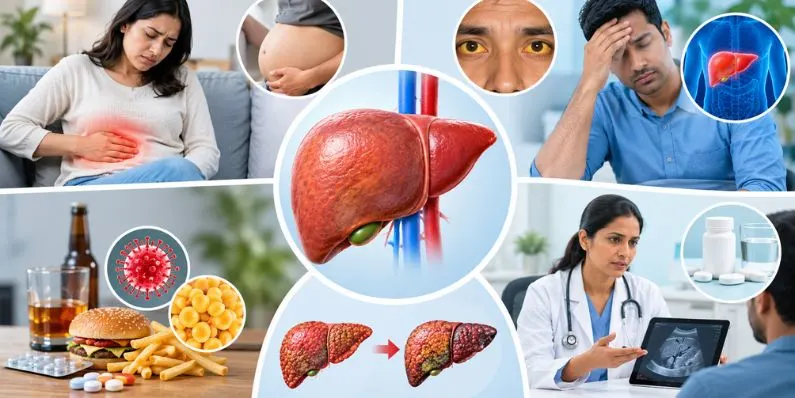
The effects of an enlarged liver depend on the underlying cause and whether the liver’s normal functions have been affected. An enlarged liver, medically known as hepatomegaly, may not cause noticeable symptoms.
However, some people experience upper abdominal discomfort, fullness after eating, fatigue, nausea or jaundice.
An enlarged liver is not a disease on its own. It can be a sign of fatty liver disease, hepatitis, alcohol-related liver injury, heart problems or other medical conditions.
Understanding the normal liver size in cm, interpreting scan findings and identifying the underlying cause can help determine whether treatment or further monitoring is needed.
Key Takeaways
- An enlarged liver may be discovered during a physical examination or imaging test, even if you have no symptoms.
- Normal liver size varies according to body build and the measurement technique used.
- Common causes include fatty liver disease, hepatitis, alcohol-related liver disease and problems affecting blood flow to the liver.
- An enlarged liver does not automatically mean severe liver disease or cancer.
- Blood tests and imaging, such as an ultrasound, can help identify the underlying problem.
- Treatment focuses on the cause rather than liver size alone.
- New jaundice, vomiting blood, confusion or severe abdominal pain requires urgent medical attention.
What Is an Enlarged Liver?
The liver is the body’s largest internal organ. It sits mainly in the upper right part of the abdomen, beneath the ribs, and performs several essential functions. These include processing nutrients, producing bile, storing energy, making important proteins and helping the body process medicines and other substances.
An enlarged liver, or hepatomegaly, means that the liver is larger than expected for the person’s body size and clinical circumstances. MedlinePlus’s overview of the enlarged liver lists the many conditions that can cause it, from infections and fatty liver to heart failure.
The enlargement of the liver is called hepatomegaly. It may occur because of inflammation, excess fat accumulation, blood congestion, cysts or abnormal growths. The finding itself does not identify the cause or establish how serious the condition is.
How Big Is a Normal Liver in CM?
The normal liver size in adults varies with height, body build, age and the method used to measure it. An adult liver commonly weighs around 1.2 to 1.5 kg, although individual measurements vary.
The right lobe of the liver is often measured during an ultrasound examination. Its vertical length is commonly around 13 to 16 cm in adults, but the appropriate reference range depends on the imaging technique and individual characteristics.
The following table provides general reference information. These figures should not be used to diagnose liver enlargement without considering the full clinical picture.
| Measurement | General reference information |
| Liver weight | Approximately 1.2 to 1.5 kg in many adults |
| Right-lobe length on ultrasound | Often around 13 to 16 cm, depending on the measurement technique and individual characteristics |
| Physical examination | Liver span varies with body size, breathing and examination technique |
| Liver size in men and women | May vary with height, body build and other individual factors |
A liver measurement outside a typical reference range does not automatically mean that the liver is dangerously enlarged. Your doctor interprets the findings alongside your symptoms, blood tests and imaging report.
- Is Liver Size Different in Men and Women?
Liver size can differ between men and women because of differences in average body size and body composition. However, sex alone does not determine whether a liver measurement is normal.
A taller person may have a larger liver than a shorter person. The measurement technique also matters, so a single universal number should not be used to compare every adult.
If your ultrasound report mentions an enlarged liver, ask your doctor to interpret the measurement in the context of your body size and other findings.
What Size of Liver Is Dangerous?
There is no single liver-size measurement that determines whether an enlarged liver is dangerous. The underlying cause, liver function and presence of complications are more important than size alone.
For example, enlargement related to fat accumulation may improve with appropriate treatment. Enlargement associated with severe inflammation, advanced scarring, heart failure or a tumour may require further investigation and specific treatment.
A measurement above the expected range does not automatically indicate advanced liver disease. Similarly, a liver that is not enlarged can still have a significant medical problem.
- What Does a 15 cm, 16 cm or 19 cm Liver Measurement Mean?
A liver measurement such as 15 cm, 15.7 cm, 16 cm or 19 cm should be interpreted according to the part of the liver measured and the imaging method used.
| Reported measurement | What it may mean |
| 13 to 15 cm | May fall within the expected range for some adults, depending on the measurement technique and body build |
| 15.7 cm liver | May be within or above the reference range used by the reporting centre; the full report is needed for interpretation |
| 16 cm liver | May be described as enlarged under some ultrasound criteria, depending on the technique and individual characteristics |
| 19 cm liver | May indicate substantial enlargement if it refers to the standard vertical measurement of the right lobe, and should be reviewed by a doctor |
These measurements are general examples, not universal diagnostic cut-offs. The length of one liver lobe is not the same as the liver’s total dimensions or volume.
A 15.7 cm liver is not automatically dangerous. Depending on the measurement method, body build and reference range, the report may describe it as borderline enlarged or enlarged.
A 19 cm liver measurement may suggest substantial enlargement when it refers to the standard vertical length of the right lobe. However, the number alone cannot identify the cause or determine the severity of liver disease.
Check the complete ultrasound report, including findings about liver texture, fat accumulation, bile ducts and blood vessels. Your doctor may recommend additional blood tests or imaging based on the report and your clinical findings. Do not assume that a particular measurement means liver failure or cancer.
- What Does “Mildly Enlarged Liver” Mean on an Ultrasound Report?
If your ultrasound report says “liver is mildly enlarged in size,” “mildly enlarged liver” or “liver appears enlarged in size,” it means the measured dimensions are above the expected range used for that examination.
The word mildly describes the degree of enlargement reported. It does not, by itself, indicate the stage of liver disease or how much liver function has been affected.
Your doctor may review other findings in the report, including liver texture, evidence of fat accumulation, bile ducts and blood vessels. Blood tests and your medical history help determine whether additional evaluation is necessary.
What Are the Effects of an Enlarged Liver on the Body?
The effects of an enlarged liver differ from person to person. Some people have no noticeable symptoms, while others experience discomfort or signs of the condition causing the enlargement.
| Symptom or effect | What it may indicate |
| Pain or tenderness in the upper right abdomen | Liver enlargement, inflammation or another abdominal condition |
| Fullness after a small meal | Abdominal pressure or discomfort, sometimes associated with liver enlargement |
| Fatigue or weakness | An underlying liver condition or another health problem |
| Nausea or vomiting | A possible effect of the underlying illness or another digestive condition |
| Yellowing of the eyes or skin | Jaundice, which may indicate a problem with bilirubin processing or bile flow |
| Dark urine or pale stools | Possible changes in bile flow or bilirubin levels |
| Swelling of the abdomen or legs | May indicate fluid retention or advanced liver or heart disease |
These symptoms are not specific to liver enlargement. Their presence does not confirm a liver condition, and some people with an enlarged liver have no symptoms at all.
1. Pain or Discomfort in the Upper Abdomen
You may notice discomfort, pressure or tenderness in the upper right side of your abdomen, where the liver is located. Enlargement can stretch the tissue surrounding the liver and contribute to discomfort.
However, gallbladder problems, stomach conditions and other abdominal disorders can cause similar pain. Persistent symptoms need medical assessment rather than self-diagnosis.
2. Abdominal Fullness After Eating
Some people feel unusually full after eating a small amount of food. This may occur when an enlarged liver occupies additional space in the abdomen or when the underlying condition causes abdominal swelling.
Persistent fullness, particularly alongside pain, nausea or unexplained weight loss, should be evaluated.
3. Fatigue and Weakness
Fatigue can accompany liver inflammation or chronic liver disease. You may feel tired despite getting enough rest or find everyday activities more difficult.
Fatigue is not specific to liver disease. Anaemia, thyroid conditions, infections and sleep problems can also cause it.
4. Nausea, Vomiting or Reduced Appetite
Nausea, vomiting and reduced appetite may occur with some conditions that enlarge the liver. These symptoms can arise from the underlying illness rather than from liver size itself.
Seek medical advice if symptoms persist. Ongoing vomiting, inability to keep fluids down or severe abdominal pain requires prompt assessment.
5. Jaundice and Changes in Urine or Stool
Jaundice causes the skin or whites of the eyes to turn yellow. For causes and treatment, see jaundice. New jaundice should be assessed urgently, particularly if it occurs with abdominal pain, fever or worsening weakness.
Other possible signs include dark urine, pale stools and itching. New jaundice should be assessed urgently, particularly if it occurs with abdominal pain, fever or worsening weakness.
What Are the Causes of an Enlarged Liver?
The causes of an enlarged liver include metabolic conditions, infections, alcohol-related injury, blood-flow problems and certain growths.
| Possible cause | How it may affect the liver |
| Fatty liver disease | Excess fat accumulates in liver cells and may cause inflammation or scarring |
| Viral hepatitis | Infection causes inflammation of the liver |
| Alcohol-related liver disease | Alcohol can contribute to fat accumulation, inflammation and liver scarring |
| Medication-related liver injury | Certain medicines or supplements can damage liver cells |
| Heart conditions | Blood may back up into the liver, causing congestion and enlargement |
| Blood vessel disorders | Blocked or restricted blood flow may affect the liver |
| Liver cysts or tumours | Some cysts and growths can affect liver size |
| Inherited metabolic conditions | Certain genetic disorders can cause substances to accumulate in the liver |
1. Fatty Liver Disease
Fatty liver disease occurs when excess fat builds up in liver cells. Some people develop inflammation and scarring over time. Read more in Fatty Liver Grade 1, 2, and 3: What Each Stage Means and How It Is Treated.
Some people develop inflammation and scarring over time. Read more about fatty liver disease in our related article.
2. Hepatitis and Other Infections
Hepatitis means inflammation of the liver. Viral hepatitis, including hepatitis A, B or C, can cause liver inflammation and sometimes enlargement. Other infections may also affect the liver.
The investigations and treatment depend on the suspected infection and the person’s symptoms.
3. Alcohol-Related Liver Disease
Regular heavy alcohol consumption can lead to fat accumulation, inflammation and scarring. For the more severe inflammatory form, see alcoholic hepatitis.
If alcohol is contributing to liver injury, discuss stopping alcohol with a healthcare professional. People who are dependent on alcohol may need medical support to stop safely.
4. Medication or Supplement-Related Liver Injury
Some medicines, herbal remedies and dietary supplements can cause liver injury. Taking excessive doses of paracetamol can cause severe damage.
Tell your doctor about all prescription medicines, over-the-counter medicines and supplements you use. Liver Damage Caused by Over-the-Counter Drugs: What To Keep In Mind explains which everyday medicines carry the most risk.
5. Heart and Blood Vessel Problems
Certain heart conditions can cause blood to back up into the liver. Blood vessel disorders, including a blockage in the veins draining the liver, can also cause enlargement.
Treatment depends on the specific cardiovascular or vascular problem.
6. Cysts, Tumours and Inherited Conditions
Liver cysts and non-cancerous growths can affect liver size. In some cases, liver cancer or cancer that has spread from another organ may cause enlargement.
Certain inherited conditions can also lead to abnormal material accumulating in the liver. An enlarged liver does not automatically mean cancer, but the cause should be investigated appropriately.
Is an Enlarged Liver Dangerous?
An enlarged liver may result from a condition that improves with treatment, or it may indicate a chronic illness requiring ongoing care.
If the underlying cause is not managed, some conditions can progress to fibrosis, which is scarring of the liver. Extensive scarring can lead to cirrhosis and impaired liver function. For how liver disease differs from liver failure, see Is Liver Failure the Same as Liver Disease?
Possible complications of advanced liver disease include:
- Ascites: Fluid accumulation in the abdomen.
- Bleeding from digestive tract veins: Enlarged veins can develop in the digestive tract and may bleed.
- Hepatic encephalopathy: Confusion or changes in alertness associated with impaired liver function.
- Liver failure: Severe loss of liver function in advanced disease.
These complications do not occur in everyone with an enlarged liver. The risk depends on the underlying diagnosis and the extent of liver damage. Learn more about liver failure in our related article.
How Is an Enlarged Liver Diagnosed?
Doctors use a combination of medical history, physical examination, blood tests and imaging to understand why the liver is enlarged.
| Investigation | What it helps assess |
| Medical history and physical examination | Symptoms, risk factors, abdominal tenderness and possible liver enlargement |
| Liver blood tests | Signs of liver injury and information about liver function |
| Ultrasound | Liver size, fat accumulation and some structural changes |
| CT scan or MRI | More detailed assessment of liver structure or an abnormal finding |
| Tests for specific infections or conditions | Helps investigate possible causes, such as viral hepatitis |
| Liver biopsy, when indicated | Examines a small tissue sample when further clarification is needed |
Not everyone needs every test. Your doctor will recommend investigations based on your symptoms, examination and initial results. A single blood test or scan may not identify the full cause.
What Is the Treatment for an Enlarged Liver?
There is no single medicine or procedure for every enlarged liver. Enlarged liver treatment focuses on managing the underlying cause.
| Underlying condition | Possible treatment approach |
| Fatty liver disease | Nutrition changes, physical activity, weight management where appropriate, and control of diabetes and cholesterol |
| Viral hepatitis | Treatment based on the specific virus and clinical assessment |
| Alcohol-related liver disease | Alcohol cessation support and treatment of liver injury or complications |
| Medication-related injury | Medical review of the suspected medicine or supplement and a safe change in treatment where appropriate |
| Heart-related congestion | Management of the underlying heart condition |
| Liver cysts or growths | Monitoring or specific treatment depending on the type, size and clinical findings |
| Advanced liver disease | Specialist management and assessment for advanced treatments when indicated |
Treatment should be tailored to the diagnosis. Do not take liver supplements, detox products or unprescribed medicines in an attempt to reduce liver size.
A liver transplant is considered only for selected patients with severe liver disease who meet clinical criteria. An enlarged liver alone does not mean that transplantation is required.
Can an Enlarged Liver Be Reversed?
In some cases, yes. Whether the liver can return towards its normal size depends on the cause, the response to treatment and whether permanent damage has occurred.
Fat accumulation related to metabolic risk factors may improve with sustained lifestyle changes and appropriate management of related conditions. Liver inflammation may also improve when its cause is treated.
However, advanced scarring may not fully reverse, and some conditions require long-term monitoring. Follow-up blood tests or imaging can help your doctor assess how the liver is responding.
What Foods Should You Avoid With an Enlarged Liver?
There is no single diet that is suitable for every person with an enlarged liver. Dietary recommendations depend on the underlying condition, nutritional needs and other health problems.
| Food or drink | General guidance |
| Alcohol | Avoid it if advised by your doctor, particularly with alcohol-related liver injury or advanced liver disease |
| Sugary drinks and foods high in added sugar | Limit frequent intake, especially if you have fatty liver disease or diabetes |
| Deep-fried and highly processed foods | Limit frequent consumption and choose balanced alternatives |
| Foods high in saturated fat | Moderate intake according to your overall dietary needs |
| Whole grains, vegetables, fruits and legumes | Include as part of a balanced eating pattern, unless your clinician advises otherwise |
| Nuts, seeds and suitable sources of unsaturated fats | Can be part of a balanced diet, depending on individual needs |
You do not automatically need to eliminate rice, pasta or red meat solely because your liver is enlarged. Portion sizes and overall dietary balance matter, and advice may differ for people with advanced liver disease.
Avoid detox diets, extreme fasting and unverified herbal supplements. Some products marketed for liver health can cause liver injury. Ask your doctor or dietitian for personalised guidance.
Can You Feel If Your Liver Is Enlarged?
Not always. A mildly enlarged liver may not cause any noticeable symptoms. Some people experience upper abdominal discomfort, tenderness or a feeling of fullness, but these symptoms are not reliable ways to identify liver enlargement.
A physical examination and, when appropriate, imaging tests are needed to assess liver size. If you have persistent abdominal discomfort or an ultrasound report mentioning an enlarged liver, consult a healthcare professional rather than relying on symptoms alone.
When Should You See a Doctor About an Enlarged Liver?
Arrange a medical assessment if an imaging report mentions an enlarged liver, even if you feel well. You should also consult a doctor if you have persistent upper abdominal pain, recurrent nausea, unexplained fatigue, appetite changes or abnormal liver blood test results.
Seek urgent medical care for new jaundice or rapidly worsening symptoms. Go to an emergency department if you develop severe abdominal pain, vomiting blood, black tarry stools, sudden confusion, unusual drowsiness or fainting.
If you have been told that your liver is enlarged and need help understanding the possible cause, a liver specialist in Pune can assess your findings and guide you on appropriate investigations.
Frequently Asked Questions
1. What Are the First Signs of an Enlarged Liver?
An enlarged liver may cause no symptoms. Some people experience upper abdominal discomfort, fullness, fatigue, nausea or reduced appetite. Symptoms alone cannot confirm liver enlargement, which usually requires medical assessment and sometimes imaging.
2. Does an Enlarged Liver Mean Fatty Liver?
No. Fatty liver disease is one possible cause. Hepatitis, alcohol-related liver disease, heart conditions, blood vessel disorders and certain growths can also enlarge the liver. Investigations help establish the cause.
3. Can an Enlarged Liver Return to Normal Size?
It may, depending on the cause and extent of damage. Treating the underlying condition can reduce enlargement in some cases, but advanced scarring may not fully reverse.
4. Can an Enlarged Liver Cause Stomach Pain?
It may cause discomfort or tenderness in the upper right abdomen. However, several other conditions can cause similar pain. Persistent or severe pain needs medical evaluation.
5. What Happens If an Enlarged Liver Is Left Untreated?
The outcome depends on the cause. Some conditions may improve, while others can progress to inflammation, scarring or impaired liver function if not managed. Medical assessment helps determine whether treatment and monitoring are needed.
6. Which Doctor Should I Consult for an Enlarged Liver?
A gastroenterologist or hepatologist can assess many liver conditions. A liver surgeon or transplant specialist may be involved when a surgical condition or advanced liver disease requires specialist evaluation. The appropriate specialist depends on the diagnosis.
Medical Disclaimer
This article is intended for general educational and informational purposes only. It does not replace professional medical advice, diagnosis or treatment. An enlarged liver can have several causes, and symptoms or measurements alone cannot establish a diagnosis. Consult a qualified healthcare professional for an individual assessment. Seek urgent medical care for severe symptoms or signs of a medical emergency.
Recent Comments