


Soya Chunks: A Power-Packed Plant Protein Explained by the Best Liver Specialist in Pune
In a world that’s becoming increasingly health-conscious, food choices are shifting rapidly. More and more people are turning toward plant-based diets, and one ingredient that has made its way into almost every vegetarian kitchen is soya chunks.
Derived from soybeans (Glycine max), soya chunks are tiny powerhouses of nutrition that can easily replace meat as a primary protein source. They not only help meet your daily protein requirements but also bring along a range of additional health benefits—from improving heart health to managing weight and supporting bone strength.
Let’s understand in detail why nutritionists and doctors, including the best liver specialist in Pune, recommend including soya chunks in your everyday diet.
What Are Soya Chunks?
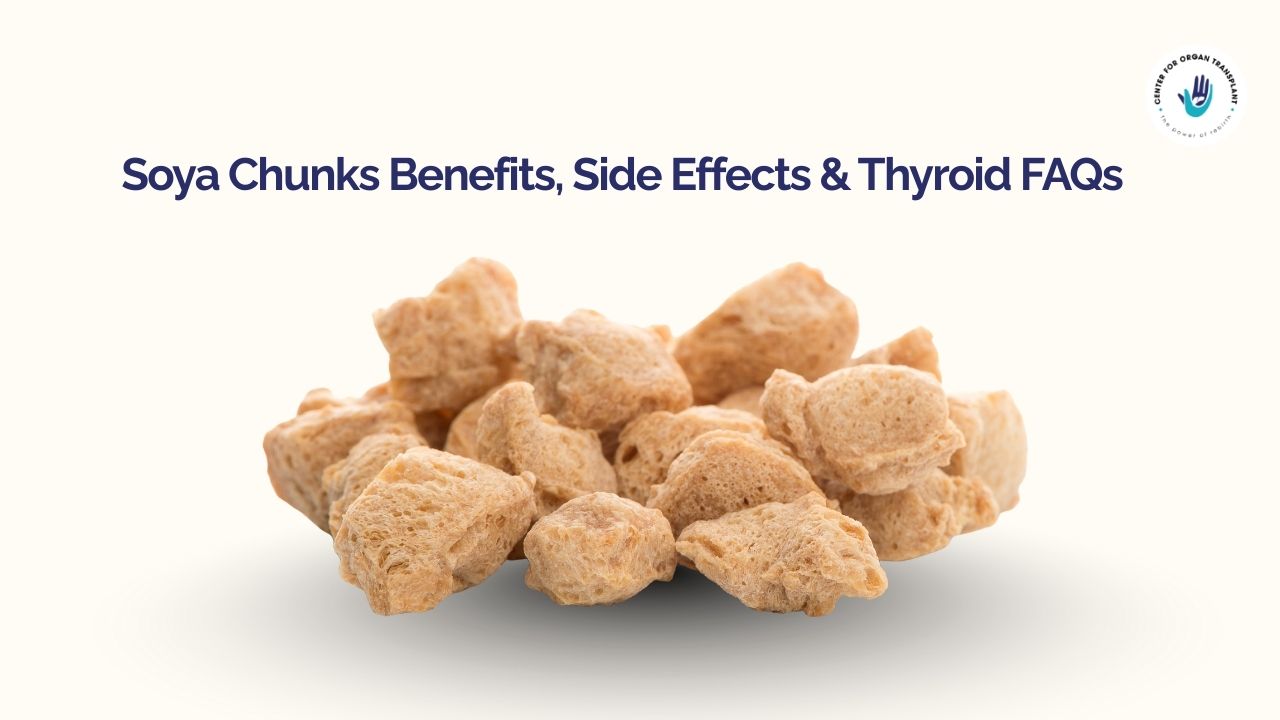
Soya chunks, also known as textured vegetable protein (TVP), are made by extracting oil from soybeans. What’s left behind is a defatted soy flour that is high in protein. When dehydrated, it takes the form of small, hard nuggets — but once boiled, it turns soft, chewy, and perfect for cooking.
Fun fact: 100 grams of soya chunks provide around 335 kcal of energy, 88 grams of protein, and only a small amount of fat — making them one of the most efficient plant-based protein for liver health and overall wellness available today.
Soya chunks truly live up to their superfood reputation because they are not only rich in protein but also loaded with minerals like iron, calcium, zinc, and magnesium, which are crucial for overall health.
Key Properties of Soya Chunks
- They act as antioxidants, helping fight cell damage.
- They contain soy isoflavones, compounds that mimic estrogen and may help balance hormones.
- They may function as tyrosine kinase inhibitors, playing a role in preventing abnormal cell growth.
- They can help manage diabetes by improving blood sugar control.
- They support weight management by promoting fullness and reducing fat absorption.
- They can reduce lipid and bile acid absorption, supporting liver health diet and digestive wellness.
Health Benefits of Soya Chunks
1. Heart Health and Cholesterol Management
One of the best-known benefits of soya chunks is their potential to support heart health. They contain low saturated fats compared to animal protein and may help lower LDL (bad cholesterol) and triglyceride levels.
The isoflavones in soy protein also help improve vascular flexibility, lowering the risk of cardiovascular diseases. In simple terms, replacing red meat with soya chunks could be a heart-smart move — particularly for individuals with high cholesterol or a family history of heart disease.
However, always consult your doctor before making significant dietary changes, especially if you’re on cholesterol medications.
2. Support During Menopause
Women who go through menopause often experience symptoms such as hot flashes, night sweats, and mood swings caused by a drop in estrogen levels. Since soya chunks contain phytoestrogens (isoflavones), they can partially mimic estrogen in the body.
Regular intake of soya chunks might help ease menopausal discomfort by providing mild estrogen-like effects — a natural way to regain balance without depending entirely on supplements or hormone therapy.
3. Bone Strength and Osteoporosis Prevention
Another major benefit for women, especially post-menopause, is the role of soy protein and calcium in maintaining bone density. Studies suggest that the isoflavones in soy can reduce bone resorption and help build stronger bones.
This means that including soya chunks regularly in your diet could lower the risk of osteoporosis and age-related bone loss. Think of it as a plant-based support system for your skeletal health.
4. Cancer-Preventive Properties
Soya chunks are rich in a compound called genistein, an isoflavone known for its potential anticancer properties. Genistein works by inhibiting abnormal cell growth and blocking nutrient supply to tumor cells.
Although human studies are still ongoing, preliminary research suggests that soy-based diets may reduce the risk of breast and prostate cancers. Still, it’s important to consult a specialist before using any food as a preventive or therapeutic measure.
5. Weight Loss Aid
Trying to lose weight but still want to feel full and satisfied? Soya chunks could be your go-to food. Due to their high protein and low carbohydrate profile, they boost metabolism, enhance satiety, and reduce unhealthy snacking.
Protein-rich diets also help preserve muscle mass while burning fat, making soya chunks an excellent part of a healthy weight-loss meal plan.
However, moderation is essential — balance your meals and avoid eating more than the recommended portion (about 25–30 grams per day for most adults).
6. Diabetes Management
For diabetics, keeping blood sugar under control is key. The low glycemic index and fiber content in soya chunks can help regulate glucose absorption and improve insulin sensitivity.
When paired with a balanced diet and regular exercise, soya-based meals can become part of a comprehensive plan for managing type 2 diabetes effectively.
Soya Chunks and Liver Health
As a liver specialist, Dr. Bipin Vibhute — often known as the Liver Guru and recognized as the best liver specialist in Pune — recommends maintaining a nutrient-rich diet to ensure optimal liver function.
Soya chunks, being plant-based and low in saturated fat, support the liver by aiding fat metabolism and reducing cholesterol accumulation. The isoflavones and antioxidants in soy may also protect liver cells from oxidative stress, making it a supportive plant-based protein for liver health for individuals with fatty liver diet concerns when consumed moderately.
Other Potential Benefits
Beyond the major health areas, soya chunks contribute to overall wellness in other ways:
- Muscle repair and recovery: Ideal for athletes and fitness enthusiasts needing a quick protein source.
- Digestive health: Rich fiber content promotes smooth digestion.
- Skin and hair nourishment: The amino acids in soy help maintain collagen, promoting healthy skin and shinier hair.
- Alternative to meat: Perfect for vegetarians and vegans looking for a complete protein substitute.
How to Include Soya Chunks in Your Diet
Soya chunks are incredibly versatile and can be used in numerous dishes without compromising flavor. Remember to boil them before cooking — this makes them soft and ready to absorb sauces and spices.
Here are a few creative ways to add soya chunks to your meals:
- Add boiled and marinated soya chunks to vegetable gravies or curries.
- Mix them with brown rice or quinoa for a protein-loaded meal.
- Use them as stuffing for wraps or sandwiches.
- Prepare soya chunk soup with veggies for a hearty dinner option.
- Replace paneer or meat with soya chunks in recipes to make them healthier and lighter.
When cooked properly, soya chunks absorb flavors beautifully, so you won’t even miss meat-based dishes.
Possible Side Effects of Soya Chunks
While soya chunks bring numerous health benefits, consuming them in excess can cause unwanted side effects. Some of the commonly reported issues include:
- Bloating or mild stomach discomfort
- Diarrhea or indigestion when eaten uncooked or in large quantities
- Hormonal imbalance if over-consumed due to isoflavones
- Allergic reactions in sensitive individuals
- Menstrual irregularities in certain women
- Muscle or joint pain rarely in case of high intake
As a guideline, eat soya chunks in moderation (a few times a week), and always soak and cook them thoroughly before consumption.
Precautions and Medical Advice
Although soya chunks are safe for most people, overconsuming them could have negative impacts. Studies indicate that excessive soy protein can affect the thyroid, pancreas, or liver due to hormonal interference.
- Thyroid Patients: Individuals with thyroid disorders can consume soya chunks safely, but they should maintain a 3–4 hour gap between taking thyroid medication and eating soy-based meals.
- Kidney or Liver Patients: People with kidney or liver conditions should limit intake and always consult their healthcare provider — or a trusted liver specialist hospital in Pune — before adding soy protein to their diets.
- Pregnant or Nursing Women: Should talk to their doctor about the safe amount of soy consumption.
Interactions with Medications
Soya chunks may interact with certain medications, including:
- Thyroid hormone replacements
- Iron supplements
- Monoamine oxidase inhibitors (MAOIs)
- Blood thinners (Warfarin)
If you’re on any of these medications, discuss with your doctor the best way to include soy protein safely in your diet.
Frequently Asked Questions
1. What are the benefits of soya chunks for women?
Soya chunks may help ease menopausal symptoms like hot flashes, support bone health, and improve hormonal balance due to their soy isoflavone content.
2. How should I cook soya chunks?
First, soak them in hot water for 10–15 minutes, then squeeze out the extra water and use them in your favorite recipes.
3. Can soya chunks cause hormonal imbalance or “man boobs”?
Soya chunks contain weak phytoestrogens, but when consumed in normal amounts, they do not cause feminizing effects in men. Moderation is key.
4. Can people with thyroid issues eat soya chunks?
Yes, but maintain a 3–4 hour gap between thyroid medications and soya consumption to avoid absorption interference.
5. Are soya chunks good for liver health?
Yes, when eaten in moderation, soya chunks may support healthy liver function thanks to their antioxidant and low-fat properties — a reason why the best liver specialist in Pune often includes them as part of a recommended fatty liver diet plan.
Final Thoughts
Soya chunks are a budget-friendly, protein-rich, and versatile food that can easily fit into any diet plan. They help improve heart health, balance hormones, enhance bone density, and even assist in weight loss — all while supporting liver and metabolic functions. However, as Dr. Bipin Vibhute, the Liver Guru and best liver specialist in Pune, often emphasizes — moderation and balance are vital. A nutrient-rich, diverse diet paired with lifestyle discipline is more beneficial than depending on any single superfood.
So, the next time you plan your weekly meals, don’t forget to give soya chunks a place on your plate. Your body — and your liver — will thank you for it.
Recent Comments