


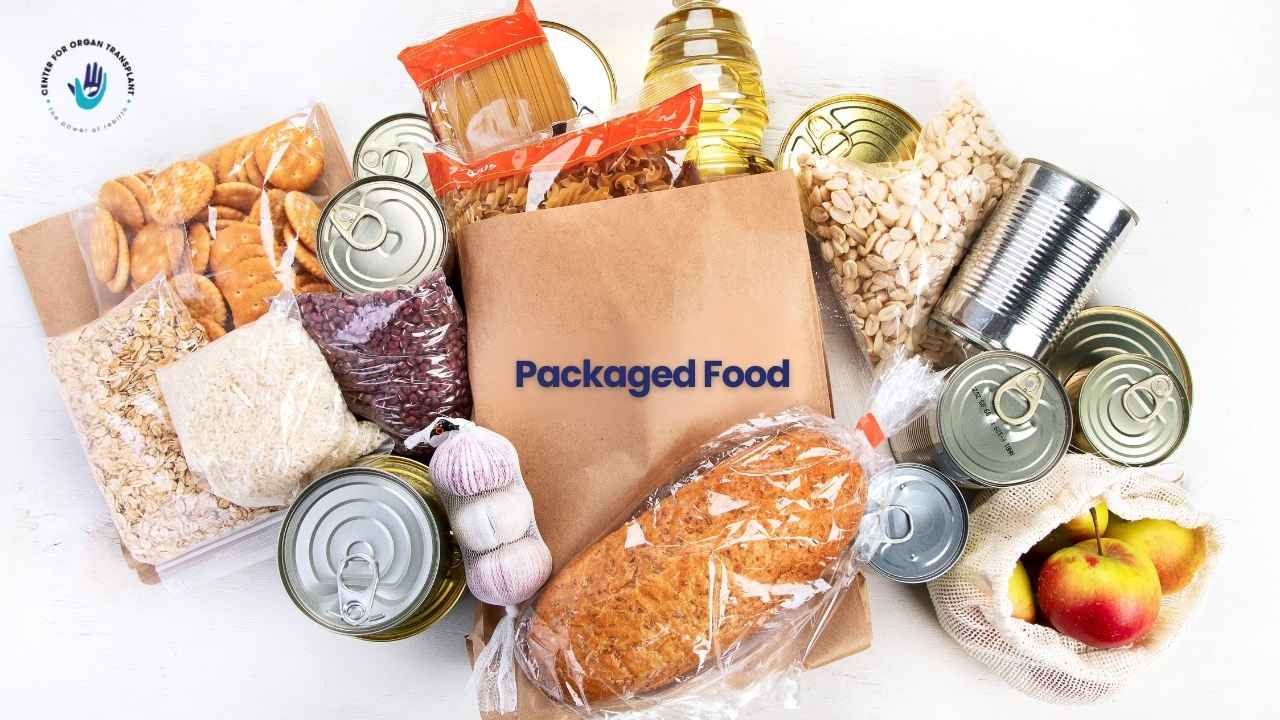
Most of my patients are genuinely trying to eat well. They’ve swapped regular biscuits for “multigrain” ones, they’re drinking packaged fruit juice instead of soda, and they’ve started reading food labels. On paper, it looks responsible. But when I see their liver ultrasounds, the picture is often very different.
I’m Dr. Bipin Vibhute, a Consultant Liver and Multiorgan Transplant Surgeon at Jupiter Hospital, Pune. Guiding patients toward a liver-friendly diet has become one of the most consequential conversations I have in my practice.
The reason: many foods marketed as “healthy” are not liver-friendly at all. And that disconnect is silently driving liver disease in people who genuinely believe they’re making the right choices.
Key Takeaways
- Food labels say “healthy” but your liver reads chemistry, not marketing
- Fructose in packaged juices and snacks is processed exclusively by the liver and causes fat buildup
- “Diet” and “sugar-free” foods are not automatically safe for your liver
- Hidden emulsifiers, refined oils, and preservatives create cumulative liver stress
- Knowing how to read a food label is a practical liver-protection skill
What Makes a Food “Healthy” on the Label But Harmful to Your Liver?
The answer lies in how your liver actually works. Your liver processes almost everything you consume before any other organ gets access to it.
Everything absorbed from your gut passes through the liver first. It has to metabolize, detoxify, and manage nutrients, and the more it has to handle, the more stress it accumulates over time.
Food companies use terms like “multigrain,” “baked not fried,” “low-fat,” “natural,” and “no added sugar” because these phrases influence buying decisions. But these labels reflect marketing conventions, not liver biology.
A food that’s low in fat can be loaded with refined sugar. A product labeled “natural” can contain ingredients that your liver struggles to process daily.
The liver doesn’t read labels. It reads chemistry. And the chemistry of many packaged foods is quietly hostile to liver health, regardless of what the front of the box says.
The U.S. National Library of Medicine’s overview of nonalcoholic fatty liver disease explains how this fat buildup happens even without alcohol involved, which is exactly the mechanism packaged food triggers.
What Does Fructose Actually Do Inside Your Liver?
This is the piece that most patient-facing content on this topic misses entirely, so I want to explain it clearly.
When you eat glucose, the type of sugar found in rice, roti, or most carbohydrates, your cells absorb it directly.
Every cell in your body can burn glucose as fuel, and the liver only steps in to manage the excess. Fructose works completely differently. Fructose is processed almost exclusively by the liver. There is no backup system.
So when you drink a packaged fruit juice, eat a granola bar, or consume a snack made with high-fructose corn syrup, your liver has to handle all of that fructose alone. What it cannot use immediately, it converts into fat.
This process is called de novo lipogenesis, which simply means “new fat creation.” Over time, this fat accumulates inside liver cells, which is precisely how non-alcoholic fatty liver disease (NAFLD) develops.
Whole fruit is not the same situation. Whole fruit contains fiber that slows fructose absorption and reduces liver burden. Packaged fruit juice contains the fructose from multiple fruits with none of the fiber, and often carries added sugar on top. Drinking a glass of packaged apple juice is biologically not the same as eating an apple.
Packaged food and liver damage through fructose accumulation is one of the most underestimated mechanisms in modern liver disease.
I’ve written more specifically about how excess sugar turns into fatty liver disease if you want the fuller biological picture. I see patients regularly who have no alcohol history, no medication overuse, but years of heavy packaged food consumption, and their liver scans tell a clear story.
Are “Diet” and “Sugar-Free” Packaged Foods Safer for Your Liver?
This comes up often in my consultations, and the honest answer is: not necessarily.
When manufacturers remove sugar, they typically replace it with artificial sweeteners such as aspartame, sucralose, or acesulfame-K.
I go into more depth on this specific question in Can Artificial Sweeteners Harm Your Liver? Understanding Their Long-Term Health Risks. These are calorie-free, which is why they carry a health claim, but there is a growing body of research suggesting that artificial sweeteners may disrupt the gut microbiome.
The community of bacteria living in your intestines. This matters for the liver because of what’s called the gut-liver axis—the direct biological communication pathway between your gut and your liver.
When the gut microbiome is disrupted (a state called dysbiosis), more harmful substances can pass through the intestinal lining and reach the liver, triggering chronic low-grade inflammation.
Over time, this inflammation is one of the key drivers of non-alcoholic steatohepatitis (NASH), the more serious, scarring form of fatty liver disease.
I tell my patients this not to cause alarm, but to correct a common assumption. Switching from regular cola to diet cola is not a liver health strategy.
It’s a calorie trade-off that may carry its own risks. Real improvement comes from reducing packaged, ultra-processed food overall, not from replacing one packaged product with another
What Other Hidden Ingredients in Packaged Foods Stress the Liver?
Beyond sugar and sweeteners, a few other ingredients deserve attention.
Refined vegetable oils, often listed as palm oil, sunflower oil, or simply “vegetable oil,” are used in most packaged biscuits, snacks, and ready-to-eat foods.
In the quantities present in packaged food, consumed daily across multiple products, these oils contribute to liver fat accumulation over time. This is not the small amount you’d use to cook at home. Packaged food concentrates these oils for texture, shelf life, and palatability.
Emulsifiers such as carrageenan, polysorbate-80, and carboxymethylcellulose are used to keep packaged foods smooth and shelf-stable. Some research suggests these compounds can disturb the gut mucosal lining, affecting the gut-liver axis.
The science here is still developing, but it is another reason to view ultra-processed food as a daily habit worth reconsidering.
Sodium, present in high quantities in packaged soups, noodles, and flavored snacks, is associated with increased risk of liver fibrosis, the stiffening and scarring of liver tissue, particularly in patients with pre-existing liver disease.
Any single exposure to these ingredients is not a crisis. The concern is daily, repeated exposure across multiple packaged products, which is exactly the pattern in most modern households.
Which “Healthy” Packaged Foods Deserve the Most Suspicion?
If I had to name the ones patients most consistently misjudge, these come up regularly in my consultations.
I’ve covered several of these culprits in more detail in How Packaged Foods Worsen Fatty Liver Disease, which goes product-by-product through what’s actually in them.
Packaged fruit juices, including those labeled “100% natural” or “no added sugar,” deliver a concentrated fructose load to the liver with no fiber to slow it down. Flavored yogurts often contain more sugar per serving than a plain biscuit. Multigrain biscuits and crackers are typically made from refined flour with a small proportion of other grains added purely for the label. The fiber content is usually negligible.
Breakfast cereals marketed as “high fiber” or “heart healthy” can contain as much sugar as a dessert serving. Protein bars combine protein isolate with high-fructose corn syrup or sugar alcohols, refined oil, and emulsifiers in a single product.
The most practical check you can do: look at the ingredients list, not the front of the packet. If the first three ingredients include any form of sugar (glucose syrup, fructose, corn syrup, dextrose, maltose), refined flour, or an oil you wouldn’t use at home, that product is worth reconsidering.
How Do You Know If Your Liver Is Already Being Affected?
This is where fatty liver diet tips become urgent, not optional. Fatty liver is dangerous precisely because it’s quiet. Most patients with NAFLD feel completely fine until the disease has progressed considerably.
When symptoms do appear, they tend to be vague: fatigue that doesn’t improve with rest, a heaviness or mild discomfort in the upper right side of the abdomen, or unexplained weight fluctuations. Many patients have none of these and find out only through a routine blood test or ultrasound.
If your diet is currently heavy in packaged and ultra-processed foods, I would recommend a liver function test (LFT) and an abdominal ultrasound as a baseline, even if you feel fine.
Caught early, fatty liver is entirely reversible — I’ve laid out exactly what that recovery process looks like in How To Reverse Fatty Liver? Once it progresses to NASH or cirrhosis, the options narrow considerably.
Can packaged food cause fatty liver disease? Yes, it can, particularly when high-fructose items, refined oils, and ultra-processed foods become a daily pattern rather than an occasional choice.
What Should You Actually Eat to Protect Your Liver?
The approach isn’t complex. Focus on whole, minimally processed foods: vegetables, lentils, whole grains, eggs, fish, fresh curd, and fresh fruit. These give your liver the nutrients it needs — fiber, antioxidants, choline — without creating unnecessary processing burden.
When buying packaged food, apply three simple checks. The ingredients list should be short and consist of recognizable items.
Sugar in any form should not appear among the first three ingredients. If the product has more than five or six ingredients, most of which you cannot pronounce, treat it as occasional food, not daily food.
How to read food labels for liver health is a practical skill: look at total sugar per serving (not per 100g), the type of fat used, and the sodium content.
These three numbers tell you more about a product’s liver impact than any front-of-pack claim.
A liver health food habit in Pune, or anywhere in India, doesn’t require expensive alternatives or superfoods. Dal, sabzi, whole grain roti, fresh curd, and a piece of fruit will do more for your liver than any “health” product off a supermarket shelf.
If you’ve been eating what you believe is a healthy diet and your liver function tests have come back abnormal, or if you simply want a baseline liver assessment, I would encourage you not to wait. I’m available for consultations at Jupiter Hospital’s Liver and Transplant Surgery department in Pune, and I’m glad to review your diet and liver health with you directly.
Final Thoughts
The packaged food industry has become skilled at using health language to sell products that aren’t particularly healthy for your liver. Your liver, which has no reliable way to signal that it’s struggling until the damage is already advanced, carries the burden of that gap silently.
The front of a food label is marketing. The ingredients list is closer to the truth. Prioritize whole food wherever possible, treat packaged food as occasional rather than daily, and get your liver checked if you haven’t done so recently.
Your liver works for you every hour of every day. Give it food that works with it.
Frequently Asked Questions
Is eating plain packaged oats every day safe for the liver?
Plain, unflavored oats are generally fine for liver health and provide useful beta-glucan fiber. The concern is with flavored, instant oat sachets that contain added sugar and artificial flavoring. If you’re cooking plain oats and adding your own fresh fruit or nuts, that’s a good choice. Pre-flavored sachets are a different product entirely.
Can I drink packaged coconut water? Is it liver-friendly?
Pure coconut water in moderate amounts is generally safe. The problem is that many packaged coconut water products contain added sugar or flavoring. Always check the ingredients list. If it contains only coconut water with nothing added, it’s fine in moderation.
Is multigrain bread good for the liver?
Most commercial multigrain bread is made primarily from refined white flour with small additions of other grains. It’s not meaningfully better for the liver than regular white bread. Look for products where 100% whole wheat flour or whole grain flour is the first ingredient listed, with a genuinely short ingredients list.
How much packaged food per day is too much for the liver?
There’s no universal threshold, but if packaged or ultra-processed foods make up more than 20 to 25 percent of your daily intake on a consistent basis, that’s a pattern worth addressing. The liver’s tolerance depends on your weight, overall health, and individual genetic factors.
Does the liver recover if I stop eating packaged foods?
Yes, in early stages. NAFLD is reversible with dietary change, weight management, and physical activity. The liver has a strong capacity for self-repair. Once disease has progressed to advanced fibrosis or cirrhosis, recovery becomes much more limited, which is why early detection matters.
Are packaged protein bars safe after a workout?
Most commercial protein bars contain a combination of protein isolate, high-fructose corn syrup or sugar alcohols, refined oil, and emulsifiers. They’re more “convenient food” than “health food.” Post-workout, real food options like boiled eggs, fresh curd, or a banana with a handful of nuts are better choices for liver health.
Can children develop fatty liver from packaged food?
Yes. Pediatric NAFLD is a growing concern driven by high consumption of packaged juices, flavored dairy products, processed snacks, and sugar-sweetened beverages. A child’s liver is not protected from fructose overload.
Which packaged food ingredient is worst for liver health?
If I had to name one: high-fructose corn syrup, also listed as glucose-fructose syrup or fructose syrup on Indian labels. It places a disproportionate, direct burden on the liver. After that, partially hydrogenated oils or trans fats, which are rarer now but still present in some budget packaged foods.
Is it okay to eat biscuits labeled “no maida”?
“No maida” requires scrutiny. Check whether the alternative flour used is genuinely whole wheat or another whole grain, and check the sugar content and oil type. A biscuit without maida can still be high in sugar and refined fat, which are no better for the liver.
Should liver patients avoid all packaged food completely?
Complete avoidance isn’t necessary for most patients in early stages, but dramatically reducing daily dependence on packaged food matters. The goal is to make whole, freshly prepared food your default and packaged food the exception. If you have a diagnosed liver condition, speak to your treating doctor or a clinical nutritionist for a plan specific to your situation.
Medical Disclaimer: This content has been reviewed by medical professionals and is intended for general educational purposes only. It does not replace personalised medical advice, diagnosis, or treatment from a qualified healthcare professional.
For personalised liver evaluation or medical advice, consult a qualified specialist. book appointments for an appointment with the specialists at Dr Bipin Vibhute, Pune.
Recent Comments