


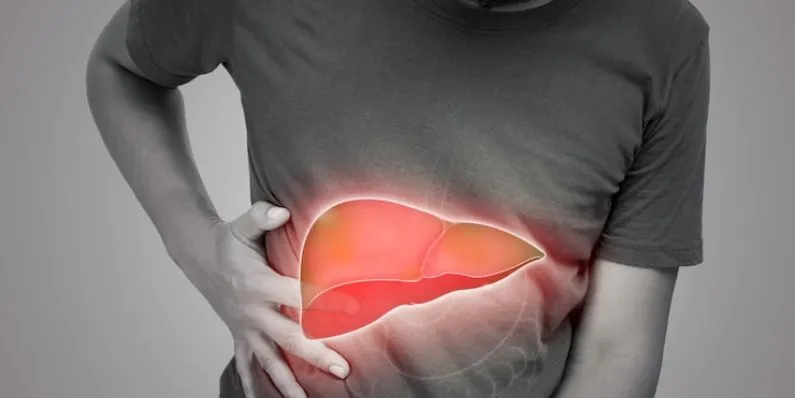
When your liver is struggling, it rarely raises an alarm right away. So, when exactly should you see a doctor for fatty liver?
You should seek medical evaluation if you experience persistent fatigue, a dull ache in your upper right abdomen, or if you simply carry common risk factors like obesity, type 2 diabetes, or high cholesterol. Catching the condition early makes all the difference in reversing the damage.
As a specialist team led by Dr Bipin Vibhute at a Liver & Multiorgan Transplant hospital in Pune, we meet countless patients who feel anxious about their liver health.
It is completely natural to feel overwhelmed when faced with a potential liver issue. However, understanding what your body is trying to tell you is the most empowering step you can take.
We are here to guide you through the warning signs, the diagnostic process, and the steps you can take to restore your liver health with clarity and compassion.
Key Takeaways
- Silence is common: Fatty liver disease often progresses without obvious symptoms, making proactive screening essential.
- Watch for early clues: Persistent fatigue, unexplained weight changes, and mild abdominal discomfort are your first warning signs.
- Recognise the red flags: Jaundice, swelling in the legs or abdomen, and mental confusion require immediate medical attention.
- Reversal is highly possible: With early intervention, dietary changes, and weight management, you can halt and even reverse early liver damage.
What is Fatty Liver Disease, and Why is it Called a Silent Condition?
Metabolic dysfunction-associated steatotic liver disease (MASLD) happens when too much fat accumulates inside your liver cells. A healthy liver contains a small amount of fat, but when fat makes up more than 5% of the organ’s weight, it becomes a medical concern.
If this fat buildup triggers chronic inflammation, the condition advances to MASH (metabolic dysfunction-associated steatohepatitis). This inflammation damages your liver cells and gradually creates scar tissue, known as fibrosis, which can eventually lead to cirrhosis.
We often call
What Are the Early Warning Signs of Fatty Liver Disease?
While the symptoms are famously subtle, your body does drop small hints when your liver is under strain. Paying attention to these early whispers can save your life.
Persistent fatigue and low energy are the most common complaints we hear. When your liver is congested with fat, it struggles to process nutrients efficiently, leaving you feeling constantly drained no matter how much you sleep.
You might also notice a mild discomfort or feeling of fullness in your upper right abdomen. This happens because the excess fat causes your liver to slightly enlarge, stretching the capsule that surrounds it.
Other early signs include unexplained weight gain or an inability to lose weight, which is strongly tied to underlying insulin resistance. You may even notice dark, velvety patches of skin (acanthosis nigricans) on your neck or under your arms, a classic indicator that your body is struggling to manage insulin and blood sugar.
Are you experiencing any of these early warning signs?
Do not wait for symptoms to escalate. Early evaluation is the key to reversing liver damage. Book a consultation with our experts to discuss your symptoms, lifestyle, or options for a Best Liver Transplant in Pune. Visit to schedule your appointment today.
What Are the Red Flags That Require Immediate Medical Attention?
If the disease progresses to severe scarring or cirrhosis, the liver begins to fail. At this stage, the symptoms shift from subtle hints to severe medical red flags that you must never ignore.
Jaundice, the yellowing of your skin and eyes, is a primary warning sign. It occurs when your failing liver can no longer filter out bilirubin, a yellow waste product in your blood.
You should also look out for severe swelling in your legs (oedema) or your abdomen (ascites). When scar tissue blocks blood flow through the liver, fluid leaks out and accumulates in the surrounding tissues.
Other critical red flags include easy bruising or prolonged bleeding, as your liver stops producing the proteins needed for your blood to clot. Furthermore, if you experience confusion, memory problems, or extreme brain fog, this indicates hepatic encephalopathy—a dangerous condition where toxins bypass the liver and travel directly to your brain.
Who is at Higher Risk for Fatty Liver Disease?
You do not need to consume alcohol to develop fatty liver disease. The condition is deeply intertwined with your overall metabolic health and lifestyle factors.
You are at a significantly higher risk if you live with obesity, type 2 diabetes, high cholesterol, or high blood pressure. These conditions create a perfect storm for fat to deposit in your liver cells.
Your genetics also play a major role. A family history of liver disease can make you more susceptible, even if you maintain a relatively healthy lifestyle.
Additionally, we often see fatty liver develop in patients who have experienced rapid weight loss or those who require long-term use of certain medications, such as corticosteroids.
How is Fatty Liver Disease Diagnosed?
Because early symptoms are so rare, we frequently discover fatty liver disease during routine health check-ups. Blood tests evaluating your liver enzymes (ALT and AST) are typically the first step. Elevated enzymes suggest your liver is inflamed or stressed.
If we spot an irregularity, we use painless, non-invasive imaging to look closer. An ultrasound or an MRI allows us to physically see the fat accumulation.
To measure the exact severity of the damage, we rely on elastography (FibroScan). This specialised ultrasound measures the stiffness of your liver, helping us detect early scar tissue. In highly complex cases, we may recommend a minor liver biopsy to examine the cells under a microscope.
What Are the Treatment Options for Fatty Liver Disease?
The most encouraging news we share with our patients is that early fatty liver disease is entirely reversible. The primary treatment relies on dedicated lifestyle adjustments rather than complex medications.
Healthy, sustainable weight loss is your most powerful tool. Losing just 7% to 10% of your body weight drastically reduces liver fat and halts inflammation. We guide our patients toward a Mediterranean-style diet, eliminating refined sugars, processed foods, and saturated fats.
Medical interventions focus on managing your underlying risks. We work with you to strictly control your diabetes and cholesterol. While there is no single magic pill for fatty liver, emerging FDA-approved therapies are now available to help manage advanced fibrosis.
We also strongly recommend vaccinations for Hepatitis A and B. When your liver is already compromised, protecting it from preventable viral infections is an absolute necessity.
When Should You Consider a Liver Transplant?
When fatty liver disease goes undetected and progresses to end-stage cirrhosis, the liver becomes too heavily scarred to function. If your liver begins to fail and no longer responds to medical management, a transplant becomes a life-saving necessity.
During an evaluation, our multidisciplinary team assesses your overall physical and emotional health. We explore all avenues, determining whether a living donor or a deceased donor transplant is the safest option for your specific case.
We understand that facing a transplant is an incredibly emotional experience. Our clinic provides continuous counselling, support groups, and compassionate care to ensure you and your family never walk this path alone.
Whether you need guidance on dietary changes, routine screening, or advanced fatty liver treatment in Pune, our dedicated team is fully equipped to restore your health and peace of mind.
Conclusion
Your liver is a remarkable, forgiving organ, but it can only withstand so much silent stress. Recognising the early warning signs of fatty liver disease gives you the power to halt the damage before it becomes irreversible. Whether you are experiencing mild fatigue or simply want to check on your metabolic health, reaching out to a medical professional is the smartest step you can take. We are here to support you with expert advice, advanced diagnostics, and compassionate care every step of the way.
Frequently Asked Questions (FAQs)
What are the early signs of fatty liver disease?
The earliest signs are often very subtle. They typically include persistent fatigue, a feeling of weakness, unexplained weight gain, and a mild, dull ache in the upper right side of your stomach.
Can fatty liver disease cause pain?
Yes, it can. While the liver itself does not have pain receptors, the accumulation of fat makes the organ expand. This stretches the capsule surrounding the liver, causing a dull ache or pressure in the upper right abdomen.
Is fatty liver reversible?
Absolutely. If caught in the early stages (MASLD), fatty liver is highly reversible. Consistent weight loss, a healthy diet, and regular exercise can clear the fat from your liver cells and allow the organ to heal.
What foods should I avoid if I have a fatty liver?
You should strictly avoid sugary fizzy drinks, heavily processed snacks, fried foods, and refined carbohydrates like white bread and pastries. Eliminating alcohol is also crucial for giving your liver a chance to recover.
How is fatty liver disease linked to diabetes?
Type 2 diabetes causes insulin resistance, meaning your body struggles to use insulin effectively. This leads to high levels of sugar and insulin in your blood, which your liver ends up converting into excess fat, storing it within its own cells.
Medical Disclaimer: The information provided in this article is intended for educational and informational purposes only. It is not a substitute for professional medical advice, diagnosis, or treatment. Always consult a qualified healthcare provider or hepatologist regarding any medical condition or treatment plan.
Recent Comments