


What is meant by alcoholic hepatitis?
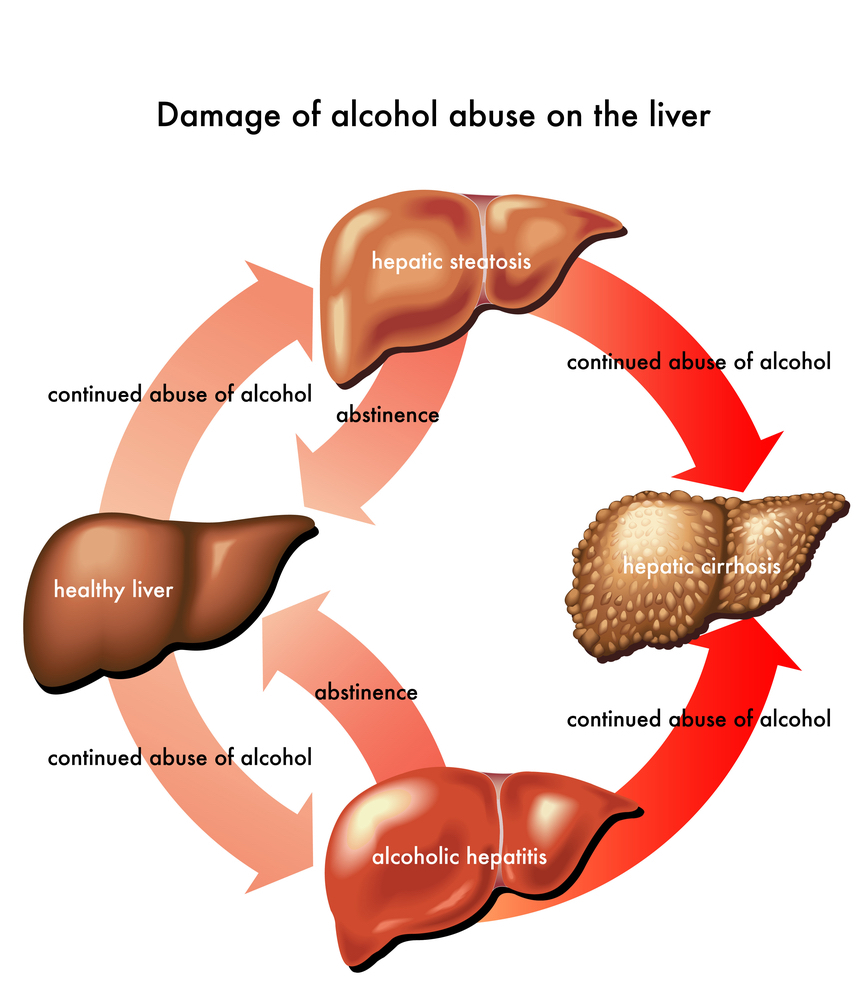
Alcoholic hepatitis is liver inflammation due to excessive consumption of alcohol. If you have been consuming a huge amount of alcohol for a long period, then you will develop alcoholic hepatitis.
However, the association of alcoholic hepatitis and alcohol drinking is complex. Because not all heavy alcohol drinkers are a patient of alcoholic hepatitis.
Some moderate drinkers are also impacted by this liver disease.
- Mild vs Severe Infection: The infection caused by inflammation or liver scars can be mild or severe.
- Need for Liver Transplant: You might require a liver transplant if you are unable to receive treatment in the initial stages.
- Role of the Liver: The liver is the only organ that can filter harmful substances from the body’s blood. In the process of removing alcohol from the body, the liver malfunctions.
It can remove only small doses of harmful substances like alcohol. Thus, excess consumption destroys cells while also causing serious injuries to the liver.
If you are detected with alcoholic hepatitis, you should immediately stop drinking alcohol. If you do not, you might develop a high risk of liver damage.
If you are based in Pune and experiencing early symptoms of alcohol-induced liver damage, consulting a liver specialist in Pune at the earliest can significantly improve your recovery outcomes.
Causes of Alcoholic Hepatitis
Alcoholic Hepatitis is developed when you are a frequent consumer of alcohol. Factors that play a pivot role in alcoholic hepatitis are:
- Toxic Chemical Production: Alcohol produces highly toxic chemicals that break down the body process.
- Cell Destruction: These toxic chemicals destroy the liver cells by triggering hepatic inflammation.
- Scar Tissue Formation: Continuous drinking develops scars that replace the healthy tissues of the liver.
- Irreversible Liver Scarring: Liver scarring is an irreversible phenomenon that is the last stage of the disease.
- Hepatitis C Risk: If you are a patient of hepatitis C and you continue drinking, you can develop liver cirrhosis.
If you are malnourished and you still drink, you can likely develop alcoholic hepatitis.
This happens because alcohol restricts the body from absorbing nutrients. Thus, a lack of appropriate nutrients can further damage liver cells.
Ethanol is found in beer, wine, and other forms of liquor. It intoxicates several organs while also harms the central nervous system. Heavy alcohol consumption effects can result in:
- Liver Scarring — permanent damage to liver tissue
- Pancreas Inflammation — disrupts digestive functioning
- Increased Blood Pressure — raises cardiovascular risk
- Psychic Disorders — affects mental health and behavior
- High Alcohol Dependence — leads to addiction cycle
Excessive consumption of alcohol can harm a female fetus during pregnancy. Thus, it increases the sudden deaths of infants. Unintentional motor accidents can also occur due to this.
What Are the Potential Symptoms?
Jaundice is one of the common symptoms of alcoholic hepatitis. If your skin and eyes turn yellow, you indicate signs of jaundice. Other signs include:
Early Stage Symptoms:
- Loss in appetite
- Nausea
- Vomiting
- Stomach ache
- Fever
- Weight loss
You can reverse alcoholic hepatitis by ceasing drinking. Some people can even develop alcoholic hepatitis without particular symptoms. It can lead to life-threatening complexities like liver failure. If your liver conditions worsen, signs contain:
Advanced or Severe Stage Symptoms:
- Fluid build-up in the upper abdomen
- Change in behavior and confusion in decision making
- Failure of liver and kidney
Remember, symptoms vary amongst different people. Thus, the severity of the disease might be varied.
Why Is Alcoholic Hepatitis Risky?
Prolonged consumption of alcohol damages and destroys the liver cells. The liver scars replace liver tissues, impacting the functioning of livers.
This further leads to the final stage of liver infection that is cirrhosis. Cirrhosis easily turns into liver failure.
Key Risk Factors Include:
- Kidney Damage: Severe liver damage can impact the blood flow to kidneys, damaging both the livers and kidneys.
- Existing Hepatitis: If you are suffering from another hepatitis disease, you are at higher risk.
- Poor Diet & Nutrition: You should be alert about your diet and consumption of alcohol. Because alcohol limits the absorption of essential nutrients. It also suppresses appetite and forms a major source of calories.
- Obesity: If you are obese then also you might be at high risk.
- Genetic & Ethnic Factors: Race, ethnicity, and genes impact the development of alcoholic liver disease.
What Are the Treatments?
There is no direct treatment for alcoholic liver disease. So, you should stop drinking alcohol.
The medication given by the doctor can reduce the progression of the disease. Liver scars can exist lifelong but some reparation might be done by the liver. Treatments can only restore liver functions in a restricted manner.
Available Treatment Options:
- Dietary Changes: If you visit the clinic, the doctor will advise dietary changes. Thus, supplements and a specific diet will help to restore the nutrient balance of your body. This is helpful for you if you have been malnourished after prolonged alcohol consumption.
- Medications: Several medications like corticosteroids and pentoxifylline reduce liver inflammation.
- Liver Transplant: In some severe cases, a liver transplant might be the only option for life survival. However, searching for a donor might elongate and complicate the procedure of liver transplant.
Patients looking for alcoholic hepatitis treatment in Pune can consult experienced hepatologists and gastroenterologists who offer comprehensive liver disease management, including dietary counseling, medication therapy, and liver transplant referrals.
How to Reduce Alcohol Addictions?
Reducing alcohol consumption is one of the best treatments for Alcoholic Hepatitis. You can visit the doctor for alcohol treatment programs.
You can enroll yourself in programs that are available in and out of hospitals. However, the allotment of these programs depends on the severity of the addiction.
Ways to Reduce Alcohol Addiction:
- Hospital-Based Programs: These programs are highly helpful in eliminating addictions and thereby protecting the body from further harm.
- Alcoholics Anonymous: Helps and supports individuals that are willing to reduce alcohol addictions.
- Online Resources: The National Institute on Alcohol Abuse and Alcoholism is a website that will help you. It will guide you in locating the nearest treatment programs.
Important Facts to Remember:
- One should note that moderate alcohol drinkers can develop alcoholic hepatitis.
- Research shows us that 35% of these individuals have alcoholic hepatitis, while 55% of them are existing patients of liver cirrhosis.
- Thus, alcoholic hepatitis is a type of liver infection in regular alcohol drinkers.
- Stopping alcohol drinking will reverse the liver in the initial stages.
- You should also remember that clear symptoms are not showcased in any liver disease.
- No direct treatment is available for alcoholic hepatitis. However, underlying treatments can slow the progression of the disease.
- In the case of severe damage, doctors recommend a liver transplant.
- You can always consult a doctor or visit a rehabilitation center for quitting alcohol.
Frequently Asked Questions (FAQs)
Q1. Can a person get alcoholic hepatitis even if they drink occasionally?
Yes, although rare, occasional or binge drinkers can also develop alcoholic hepatitis. The risk increases significantly with the quantity of alcohol consumed over a short period. Even a single episode of heavy drinking can trigger hepatic inflammation in some individuals who are genetically predisposed.
Q2. Is alcoholic hepatitis contagious or can it spread from person to person?
No, alcoholic hepatitis is not contagious. It is purely caused by heavy alcohol consumption effects on the liver and is not a viral or bacterial infection. You cannot catch it from someone else through contact or by sharing utensils. It is entirely a lifestyle- and alcohol-related liver disease.
Q3. How long does it take for the liver to recover after stopping alcohol?
The liver can begin showing signs of recovery within a few weeks of stopping alcohol in mild cases.
In advanced alcohol-induced liver damage or liver cirrhosis, full recovery may take months to years. In some cases, complete recovery may not be fully possible.Early diagnosis and treatment, especially with a liver specialist in Pune, greatly improves recovery chances.
Q4. Can children or teenagers develop alcoholic hepatitis?
While alcoholic hepatitis predominantly affects adults with long-term drinking habits, adolescents who engage in heavy or binge drinking are also at risk. Their liver, which is still developing, can be more vulnerable to alcohol-induced damage. Early intervention through alcohol addiction treatment in Pune is strongly recommended.
Q5. Are there any specific foods that help protect the liver during alcoholic hepatitis treatment?
Yes. A nutrient-rich diet plays a key role in managing alcoholic liver disease. Recommended foods include leafy greens, fruits, whole grains, lean proteins, and antioxidant-rich foods that support liver repair. Vitamin B complex, zinc, and folate supplements are also commonly advised. These are regularly recommended during liver disease treatment in Pune to help restore nutritional balance.
Answered By

Must Read
How does obesity lead to fatty liver disease?
Indeed, certain lifestyle choices have a major effect on your body, and that leads to further complications. One of the most common ones includes obesity, which results in many...

How can jaundice be treated during pregnancy
Jaundice is a condition that occurs in people as a symptom of other issues and is visible via a yellowing in their body. To be specific, this yellow discoloration happens in the...
How does obesity lead to fatty liver disease?
Indeed, certain lifestyle choices have a major effect on your body, and that leads to further complications. One of the most common ones includes obesity, which results in many...