


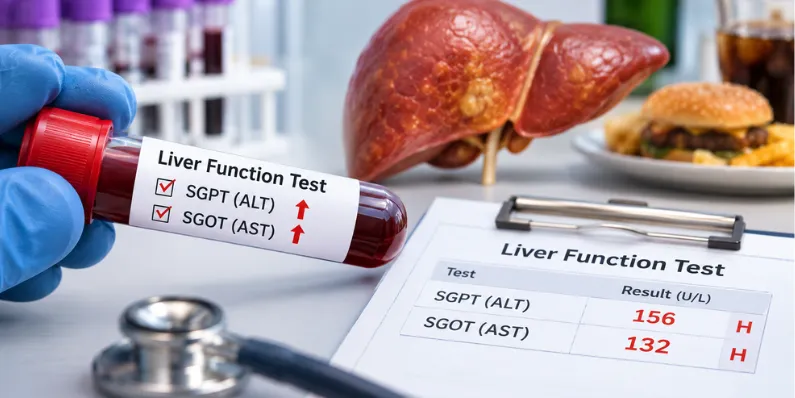
Seeing high SGPT and SGOT levels on a blood report can be worrying, especially when you feel completely healthy.
These raised levels often indicate irritation or injury to cells, commonly in the liver, but they don’t automatically mean you have serious liver disease.
The important step is finding out why the levels are raised. Dr. Bipin Vibhute is a liver and multiorgan transplant surgeon who specialises in assessing and managing complex liver conditions.
Key Takeaways
- SGPT (ALT) and SGOT (AST) can rise when liver cells are injured.
- Fatty liver, alcohol, viral hepatitis and certain medicines are common causes.
- Raised liver enzymes don’t always cause noticeable symptoms.
- Doctors interpret these results alongside other blood tests and imaging.
- Persistent or unexplained elevations need medical assessment.
What do SGPT and SGOT levels mean in a blood test?
SGPT and SGOT are enzymes found inside the body’s cells. They help the body carry out normal chemical processes.
When cells are injured, these enzymes can leak into the bloodstream. A blood test can then show higher-than-usual levels.
MedlinePlus’s overview of the ALT blood test notes that ALT is also called SGPT, that high levels may signal liver injury, and that some liver diseases raise ALT before any symptoms appear.
The two enzymes are:
- SGPT (ALT): Also called alanine aminotransferase. It’s found mainly in the liver, so a raised level can point towards liver-cell injury.
- SGOT (AST): Also called aspartate aminotransferase. It’s present in the liver, heart, skeletal muscles and other tissues, so a raised result can have causes outside the liver.
These are commonly called ALT and AST levels in medical reports. They are important parts of a liver enzyme test, but they don’t provide a complete picture of liver health.
Are SGPT and SGOT the same as liver function tests?
SGPT and SGOT are often included in liver function tests, but they don’t directly measure how well the liver is performing all its functions. What is a Liver Function Test? explains what each result in the panel means.
They mainly indicate possible cell injury. Other results help doctors assess the liver’s working capacity:
- Bilirubin: Helps show whether the liver is processing and removing a waste product called bilirubin.
- Albumin: A protein made by the liver that helps maintain fluid balance in the body.
- INR or prothrombin time: Helps assess how well the blood is clotting, which can be affected by reduced liver function.
- ALP and GGT: Enzymes that can help identify problems involving the bile ducts and liver.
A doctor needs to review the complete report rather than judging liver health from SGPT or SGOT alone.
What are the common causes of high SGPT and SGOT levels?
There are several causes of elevated liver enzymes. Some lead to temporary changes, while others may need long-term treatment and monitoring.
1. Fatty liver disease
Fatty liver disease develops when excess fat collects inside liver cells. Some people develop inflammation and scarring over time.
- Excess body weight or abdominal fat.
- Type 2 diabetes or insulin resistance.
- High cholesterol or triglyceride levels.
- Low physical activity and metabolic health problems.
Can fatty liver cause high SGPT? Yes. Fat accumulation can cause liver-cell irritation and raise SGPT levels. Some people have fatty liver even when their enzyme results are within the laboratory’s normal range.
2. Alcohol-related liver injury
Regular or heavy alcohol consumption can damage liver cells and raise enzyme levels. For the more severe inflammatory form, see alcoholic hepatitis.
Continued alcohol exposure can lead to liver inflammation and, in some people, long-term scarring called cirrhosis.
The amount and duration of alcohol use, other health conditions and blood test patterns all help doctors assess the possible impact.
3. Viral hepatitis
Hepatitis means inflammation of the liver. Viral infections such as hepatitis A, B and C can cause raised SGPT and SGOT levels. 5 Must Know Things About Hepatitis A, B and C covers the basics.
- Hepatitis A usually causes a short-term infection.
- Hepatitis B can cause short-term or long-term liver infection.
- Hepatitis C can become chronic and may cause progressive liver damage if left untreated.
Testing is needed to identify the specific infection. Enzyme levels alone cannot confirm which type of hepatitis a person has.
4. Medicines and supplements
Some medicines can affect liver cells and increase enzyme levels. These may include:
- Certain painkillers, including paracetamol when taken in excessive amounts.
- Some antibiotics and anti-tuberculosis medicines.
- Certain cholesterol-lowering medicines.
- Some anti-seizure medicines.
- Herbal products, bodybuilding supplements and unregulated health remedies.
Don’t stop a prescribed medicine on your own. Tell your doctor about everything you take, including over-the-counter medicines and supplements. Liver Damage Caused by Over-the-Counter Drugs: What To Keep In Mind explains which common medicines carry the most risk.
5. Other medical conditions
Not every raised SGOT or SGPT result comes from fatty liver or alcohol.
Other possible causes include:
- Autoimmune hepatitis: A condition in which the immune system mistakenly attacks liver cells.
- Iron overload: A condition in which excess iron collects in the body and may damage the liver.
- Wilson’s disease: An inherited condition that causes copper to build up in the body.
- Thyroid or coeliac disease: These conditions can sometimes be associated with raised liver enzymes.
- Muscle injury: Intense exercise or muscle damage can raise SGOT and sometimes affect other enzyme results.
The doctor chooses further tests based on the patient’s symptoms, medical history and initial report.
Can high liver enzymes be serious even without symptoms?
Yes. A person can have raised liver enzymes without feeling unwell. Some liver conditions develop slowly and may not cause noticeable symptoms in the early stages.
When symptoms occur, they may include:
- Unusual tiredness or weakness.
- Loss of appetite or nausea.
- Discomfort in the upper-right side of the abdomen.
- Yellowing of the skin or eyes.
- Dark-coloured urine or pale stools.
- Itching without an obvious skin cause.
- Swelling in the abdomen or legs.
Does a higher SGPT or SGOT number always mean more liver damage?
Not necessarily. The degree of elevation can help doctors understand the pattern of injury, but the enzyme number alone cannot tell how much permanent damage has occurred or how well the liver is functioning.
A temporary rise may occur after an illness, medicine exposure or other short-term event. Persistent abnormalities may need a more detailed assessment.
A person with advanced liver scarring can sometimes have normal or only mildly raised enzyme levels. This is why doctors also consider other blood results and liver imaging.
When should I see a liver specialist for high SGPT and SGOT?
You should arrange a medical assessment if your report shows raised SGPT or SGOT, particularly when the elevation persists, increases on repeat testing or has no clear explanation.
If you’re wondering when should I see a liver specialist for high SGPT, consider arranging an appointment when:
- Your liver enzymes remain above the laboratory reference range.
- An ultrasound has reported fatty liver or signs of liver damage.
- You have diabetes, obesity or a history of regular alcohol consumption.
- You have tested positive for hepatitis B or hepatitis C.
- You have a family history of certain inherited liver conditions.
- Other liver-related blood results, such as bilirubin or INR, are also abnormal.
Which symptoms need urgent medical attention?
Don’t wait for a routine appointment if you develop jaundice, rapidly increasing abdominal swelling or worsening symptoms.
Seek emergency medical care if you experience:
- Confusion, unusual drowsiness or difficulty staying awake.
- Vomiting blood or passing black, tar-like stools.
- Severe abdominal pain with fever or repeated vomiting.
- New jaundice with a marked deterioration in your general condition.
These symptoms may indicate a serious medical problem and need immediate assessment.
How does a doctor find out why SGPT and SGOT are high?
The first step is understanding your medical history and checking the complete blood report. There is no single test that identifies every cause of raised liver enzymes.
Patients often ask how are raised liver enzymes investigated. The answer depends on the suspected cause, symptoms and other test results.
1. Repeat liver blood tests
A repeat test may be advised to check whether the enzyme levels are improving, remaining high or increasing.
The timing depends on how high the results are, whether you have symptoms and what other findings are present.
2. Complete liver blood profile
The doctor may review:
- SGPT and SGOT.
- Bilirubin.
- ALP and GGT.
- Albumin.
- Prothrombin time or INR.
- Platelet count.
These results help doctors understand whether the pattern suggests liver-cell injury, a bile duct problem or reduced liver function.
3. Tests for viral hepatitis and other conditions
Depending on your history, the doctor may advise:
- Hepatitis B surface antigen testing.
- Hepatitis C antibody testing, followed by HCV RNA testing if required.
- Tests for autoimmune liver disease.
- Iron studies to assess iron overload.
- Other tests for inherited or metabolic conditions when indicated.
4. Ultrasound of the abdomen
An abdominal ultrasound uses sound waves to produce images of the liver and nearby organs.
It can help identify fatty changes, liver enlargement, certain structural abnormalities and some signs of advanced liver disease.
5. FibroScan or further imaging
A FibroScan is a non-invasive test that estimates liver stiffness and can help assess scarring, also called fibrosis. See Fibroscan: Non-Invasive Diagnostic Device for Liver Health for how it works.
CT scans or MRI may be advised when the doctor needs more detailed information about a suspected problem.
Not every patient needs every test. The investigation plan depends on the suspected cause and the overall clinical picture.
How are high SGPT and SGOT levels treated?
Treatment depends on what is causing the enzyme elevation. The goal is to manage the underlying condition, not simply bring the blood test number down.
If fatty liver is the cause
Your doctor may recommend:
- Gradual weight reduction if you’re overweight.
- Regular physical activity.
- Managing blood sugar and cholesterol.
- Reducing sugary drinks and highly processed foods.
- Following a balanced eating plan that you can maintain.
These steps can help improve metabolic health and reduce liver fat in many people. For a fuller plan, see Can Fatty Liver Be Reversed? Doctor-Recommended Treatment and Lifestyle Changes.
If alcohol is affecting the liver
Avoiding alcohol is an important part of treatment. The doctor may also assess whether inflammation, scarring or other complications have developed.
If you’ve been drinking heavily for a long time, seek medical advice before stopping suddenly, as alcohol withdrawal can be dangerous and may require supervised care.
If viral hepatitis is responsible
Treatment depends on the type of infection.
- Hepatitis B: Some patients need antiviral medicines to control the virus and reduce the risk of liver damage.
- Hepatitis C: Direct-acting antiviral medicines can cure most people when appropriately prescribed.
- Hepatitis A: Treatment is generally supportive because most people recover without specific antiviral medicines.
If medicines or supplements are responsible
Your doctor may adjust, replace or stop the suspected product after reviewing its risks and benefits.
Never take liver tonics, detox products or herbal remedies to lower enzyme levels without medical advice. Some products can cause further liver injury.
If another medical condition is responsible
Autoimmune hepatitis, inherited conditions, bile duct disorders and other causes need condition-specific treatment.
A liver specialist can help determine whether medication, monitoring, further investigation or another form of treatment is appropriate.
How long does it take for liver enzyme levels to return to normal?
There isn’t one fixed recovery period. The time needed for SGPT and SGOT to improve depends on the cause, the extent of injury and how well the underlying condition responds to treatment.
For example:
- A temporary rise related to an illness may improve as the illness settles.
- Medicine-related injury may improve after the responsible medicine is safely changed or stopped.
- Fatty liver may require sustained lifestyle and metabolic changes.
- Viral hepatitis may need specific treatment and follow-up testing.
- Advanced liver scarring may not reverse simply because enzyme levels improve.
Your doctor may repeat blood tests to monitor progress. A normal follow-up result is encouraging, but it doesn’t always mean that liver scarring has disappeared.
What can I do every day to protect my liver?
Daily habits can support liver health and help reduce some common risk factors.
Follow a balanced diet
Choose meals that include vegetables, fruits, whole grains, pulses and suitable protein sources.
Limit sugary drinks, excess sweets and highly processed foods. Avoid crash diets and rapid weight-loss plans unless they’re part of a medically supervised programme.
Stay physically active
Aim for regular activity that suits your health and fitness level. Walking, cycling and other moderate exercises can help improve weight, blood sugar and metabolic health.
If you have an existing medical condition, ask your doctor what level of activity is appropriate.
Avoid alcohol
If your liver enzymes are raised and the cause is not yet known, avoid alcohol until you’ve been assessed and advised otherwise.
Be careful with medicines and supplements
Tell your doctor about prescription medicines, painkillers, vitamins, herbal products and gym supplements.
Don’t take medicines in higher doses than prescribed or use products claiming to cleanse or detox the liver.
Manage other health conditions
Keep diabetes, cholesterol and blood pressure under control. Follow medical advice about hepatitis screening and vaccination, including hepatitis A and B vaccination where appropriate.
Can high SGPT and SGOT levels lead to liver failure or a liver transplant?
Raised SGPT and SGOT levels alone do not mean that a person has liver failure or needs a liver transplant.
For the difference between liver disease and liver failure, see Is Liver Failure the Same as Liver Disease? Long-term injury can progress to fibrosis and cirrhosis.
However, certain conditions that cause long-term liver injury can progress to fibrosis, cirrhosis and, in some cases, liver failure.
A specialist may assess liver health using:
- Symptoms and physical examination.
- Bilirubin, albumin and INR results.
- Platelet count and other blood investigations.
- Ultrasound, FibroScan or other imaging.
- Assessment for complications such as fluid accumulation, bleeding or confusion.
When is a liver transplant considered?
A liver transplant may be considered for selected patients with advanced liver disease, liver failure or certain liver cancers when other treatment options are no longer sufficient or appropriate.
The decision involves a detailed assessment of the patient’s overall health, liver condition, complications and suitability for surgery. For how that assessment works, see Liver Transplant Eligibility: Who Qualifies and Which Tests Are Done?
An elevated enzyme report is a reason to investigate, not a reason to assume that a transplant will be required. Identifying the cause early can help doctors treat some conditions before they progress.
When should you consult Dr. Bipin Vibhute for raised liver enzymes?
If your SGPT or SGOT results remain high, or your reports show signs of possible liver disease, a specialist assessment can help clarify the cause and guide the next steps.
Dr. Bipin Vibhute is a Liver and Multiorgan Transplant Surgeon in Pune. His specialist practice focuses on the evaluation and management of complex liver conditions, including advanced liver disease and transplant-related care.
Bring your previous blood reports, scan results and a list of your current medicines and supplements to your consultation. You can seek an assessment from a liver specialist in Pune to understand what your results mean and whether further investigations are needed.
Frequently Asked Questions
1. Can SGPT and SGOT levels become normal again?
Yes. They can return to the normal range when the underlying cause improves or is treated. However, the result should be interpreted alongside other liver tests because normal enzyme levels don’t always rule out chronic liver disease.
2. Can fatty liver cause high SGPT even if I don’t drink alcohol?
Yes. Fatty liver can develop in people who don’t drink alcohol, often in association with excess weight, diabetes, insulin resistance or abnormal cholesterol levels.
3. Can high SGOT be caused by exercise?
Yes. Intense exercise or muscle injury can raise SGOT because this enzyme is also found in skeletal muscles. Your doctor may consider recent physical activity and other tests when interpreting the result.
4. Can stress increase SGPT and SGOT levels?
Everyday emotional stress isn’t considered a direct, established cause of raised liver enzymes. However, health conditions and lifestyle factors associated with stress may affect liver health, so persistent abnormal results should be investigated.
5. Should I fast before an SGPT and SGOT blood test?
SGPT and SGOT tests alone generally don’t require fasting. However, if your doctor has ordered other tests in the same blood sample, you may need to follow specific fasting instructions from the laboratory.
6. Can high SGPT and SGOT levels cause weight loss?
The enzyme elevation itself doesn’t usually cause weight loss. Unexplained weight loss may be related to an underlying illness and should be discussed with a doctor.
7. Can a person have liver disease with normal SGPT and SGOT levels?
Yes. Some people with chronic hepatitis or advanced liver scarring can have normal or mildly raised enzyme levels. Other blood tests and imaging may be needed to assess liver health.
8. Can antibiotics increase SGPT and SGOT levels?
Some antibiotics can cause liver-related side effects and raise enzyme levels. Contact your prescribing doctor if you develop symptoms or receive an abnormal report while taking an antibiotic, and don’t stop prescribed treatment without advice.
9. Does drinking more water reduce SGPT and SGOT levels?
No. Drinking extra water doesn’t directly treat the cause of raised liver enzymes. Staying hydrated supports general health, but treatment must address the underlying condition.
10. Are high SGPT and SGOT levels contagious?
No. Raised enzyme levels themselves aren’t contagious. However, an underlying infection such as hepatitis B or C can spread through specific routes, so testing and prevention advice depend on the infection involved.
Conclusion
High SGPT and SGOT results can occur for many reasons, including fatty liver, alcohol-related injury, viral hepatitis and certain medicines. The most useful step is to identify the cause rather than focusing only on the enzyme numbers.
If your results remain abnormal or you have symptoms of liver disease, seek medical advice. Early assessment can help identify treatable conditions and guide appropriate follow-up.
Medical Disclaimer
This article is intended for general educational purposes only. It does not replace a medical consultation, diagnosis or treatment plan. SGPT and SGOT results must be interpreted by a qualified healthcare professional in the context of your symptoms, medical history, other blood tests and investigations. Do not stop prescribed medicines or start supplements without consulting your doctor.
Recent Comments